
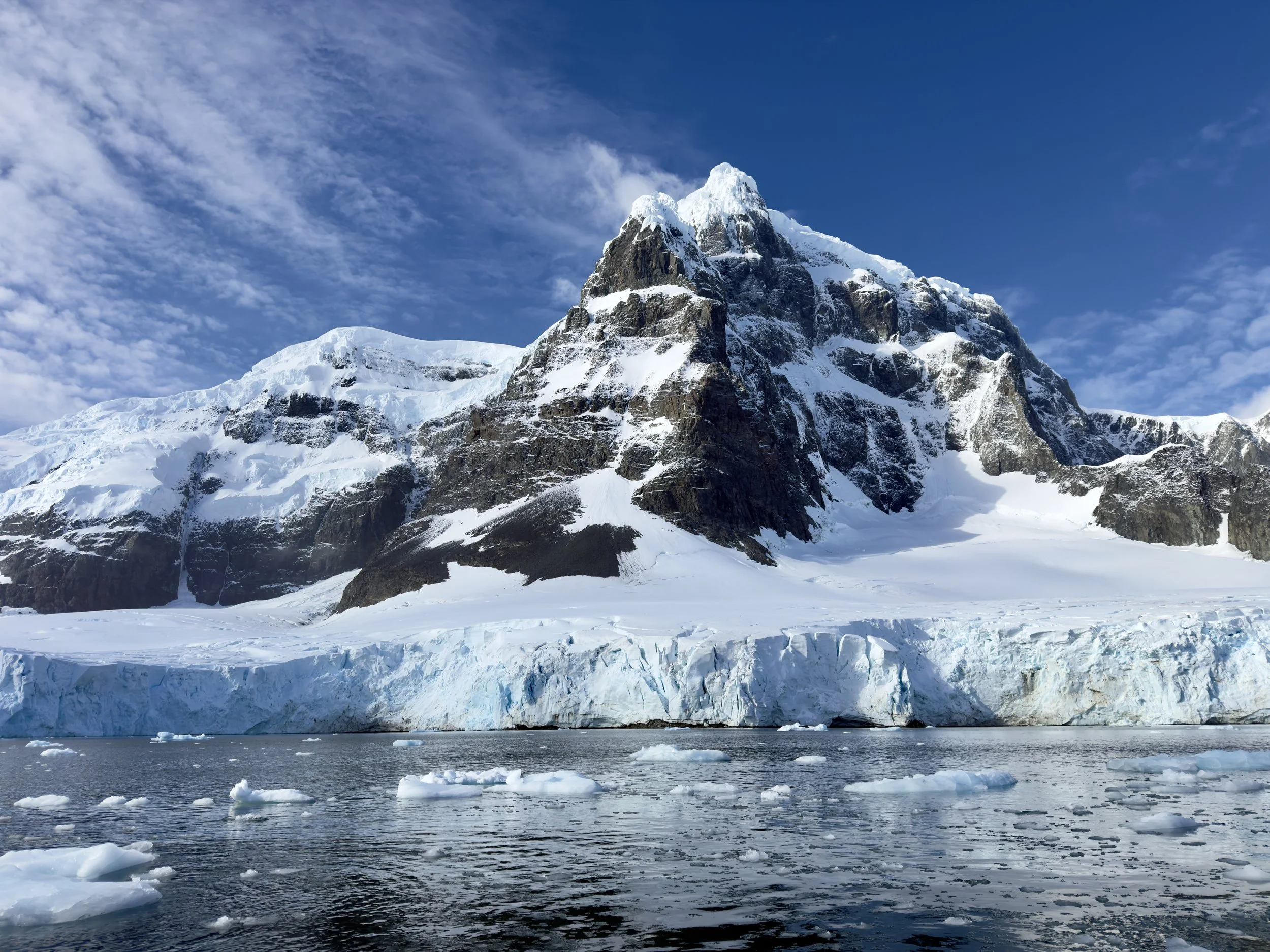
Antarctica: Journey to the Great White Continent
There are few places left on Earth that still feel truly untamed. Antarctica is one of them.
Steven Alcala | February 2026
There are few places left on Earth that still feel truly untamed. Antarctica is one of them.
For years, I had admired photographs of towering icebergs, vast glaciers, and colonies of penguins standing against an endless backdrop of snow and sea. Yet no image, documentary, or travel article could have prepared me for the reality of seeing it with my own eyes.
The moment Antarctica first appeared beyond the horizon, it seemed less like a destination and more like another world. Mountains of ice rose from the ocean in shades of blue and white that hardly seemed real. The silence was profound, interrupted only by the distant exhale of whales and the occasional crack of ancient ice shifting in the cold. It was beautiful, humbling, and almost impossible to describe.
Even now, as I reflect on the experience, I find myself searching for words that adequately capture what I saw. Antarctica is not simply a place you visit—it is a place you feel. It reminds you how vast our planet truly is and how small we are within it.
What follows is a look back at my journey to the Great White Continent aboard HX Expeditions' MS Fridtjof Nansen, from the vibrant streets of Buenos Aires to one of the most remote and pristine regions on Earth.
Beginning the Journey
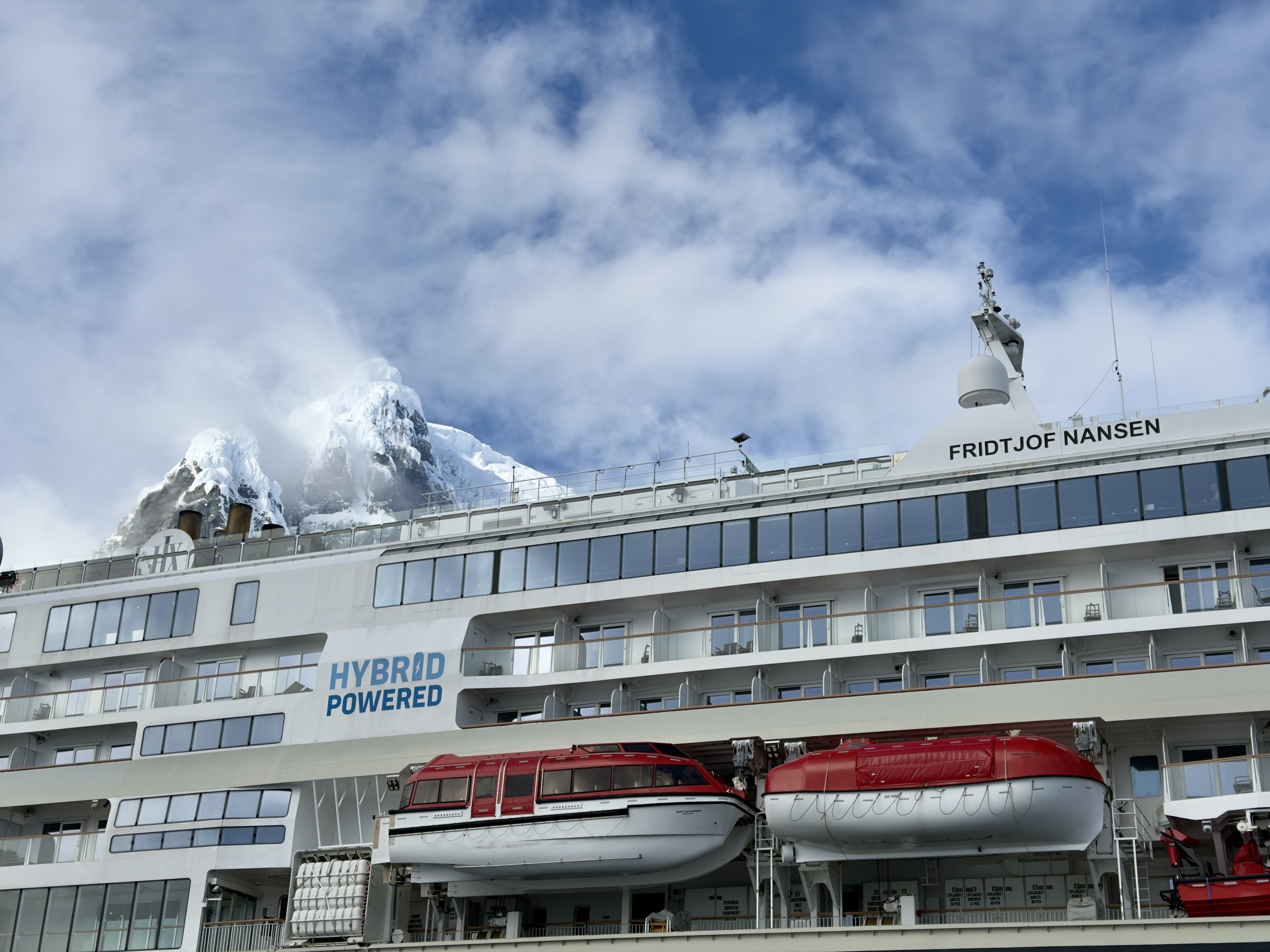
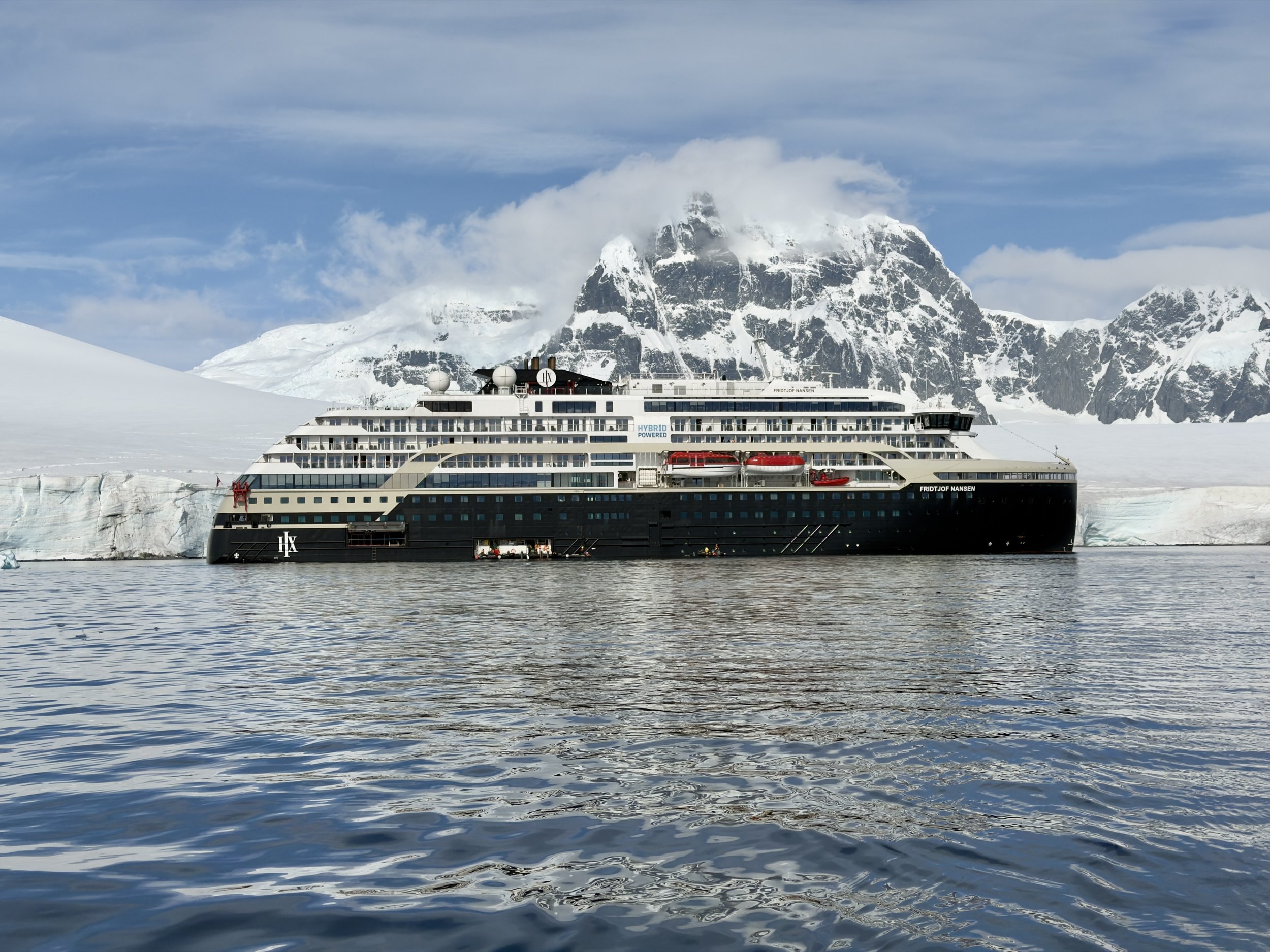
After considerable research, I chose to travel with HX Expeditions, a Norwegian company whose roots in polar exploration stretch back more than 150 years. Their 11-night Highlights of Antarctica voyage aboard the hybrid-powered MS Fridtjof Nansen offered the perfect balance of exploration, comfort, and environmental stewardship.
Like many Antarctic expeditions, our journey began in Buenos Aires, Argentina. While the voyage included a pre-cruise hotel stay, we decided to arrive several days early. When traveling this far for an experience of this magnitude, I prefer building in extra time rather than risking delays or missed connections.
Our first two nights were spent at the Palladio Hotel Buenos Aires in the elegant Recoleta neighborhood. It proved to be an excellent base for exploring the city, with many attractions within walking distance and convenient access to public transportation.
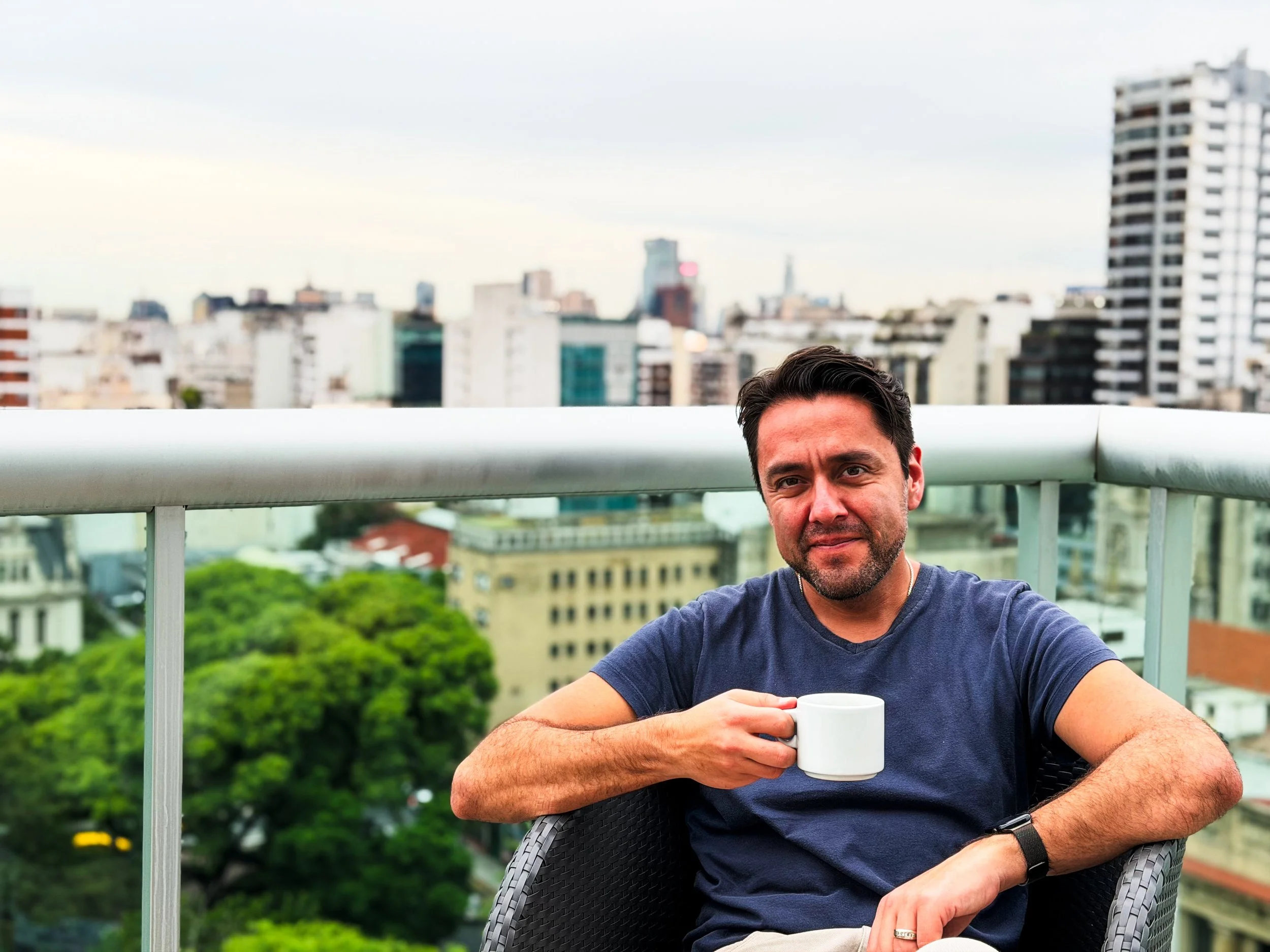
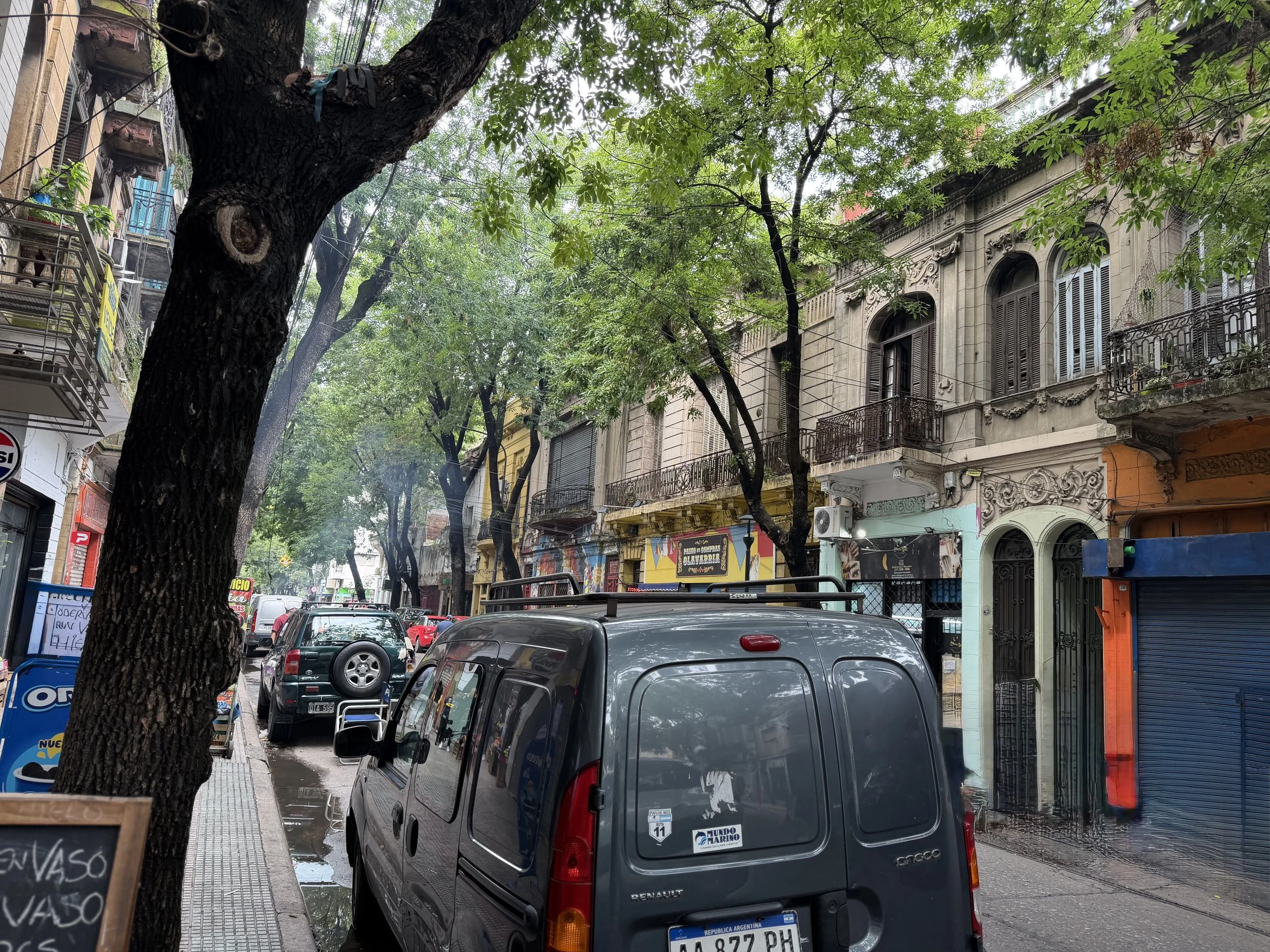
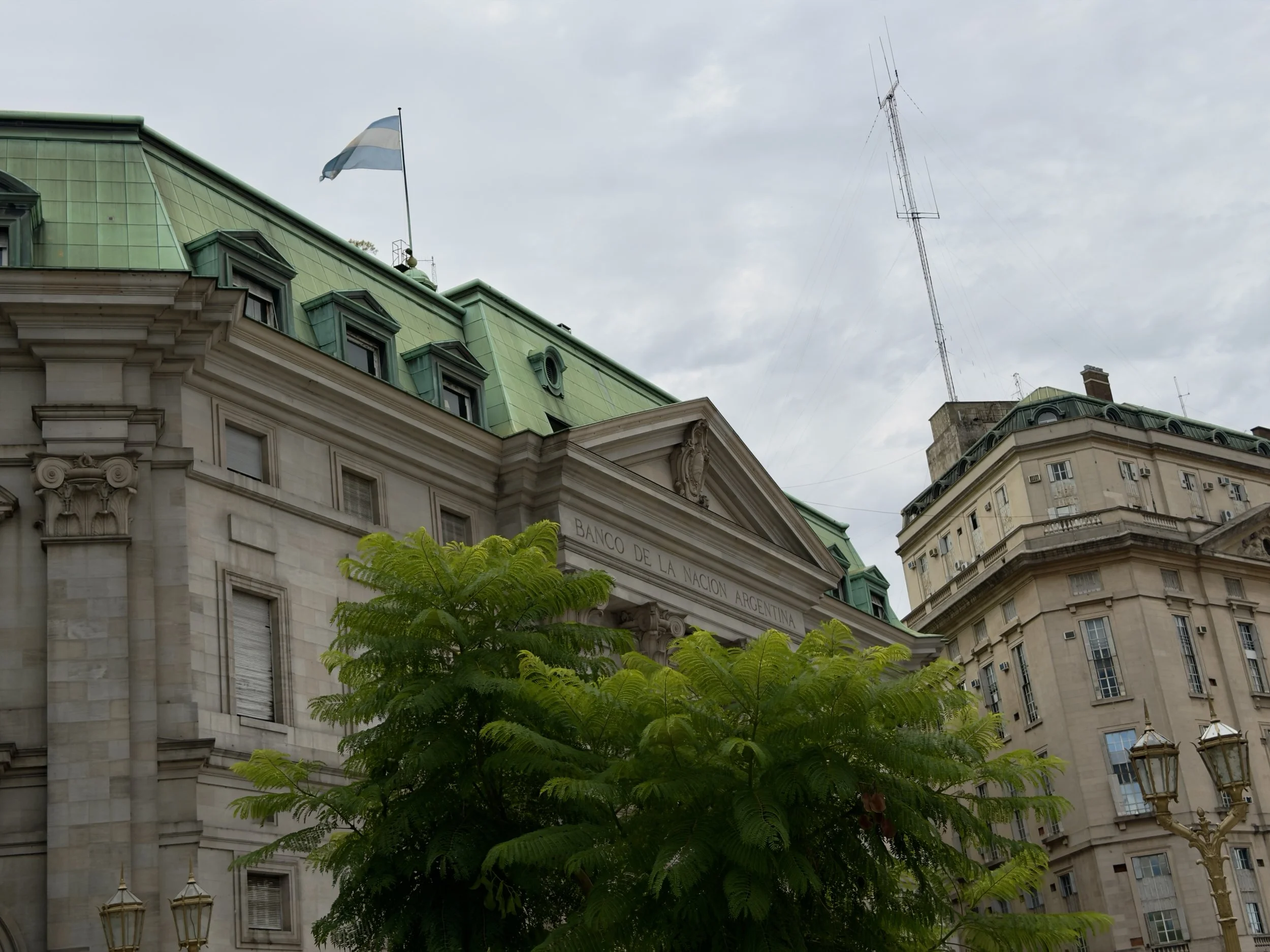



One piece of advice I often share with clients arriving on overnight international flights is to book the hotel beginning the night before your scheduled arrival. While it requires an additional night's expense, the ability to immediately access your room, shower, and rest after a long-haul flight can dramatically improve the start of your trip.
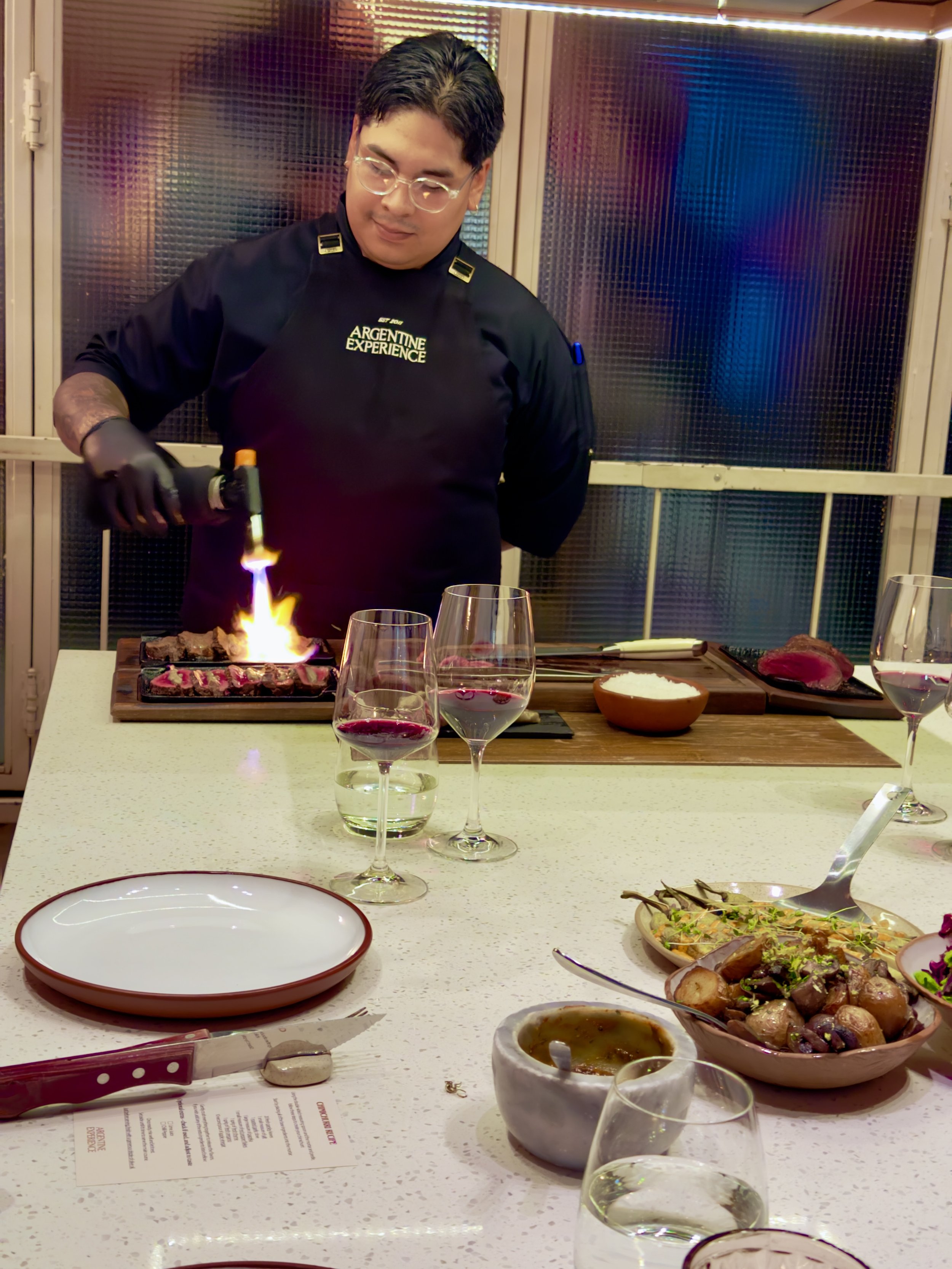
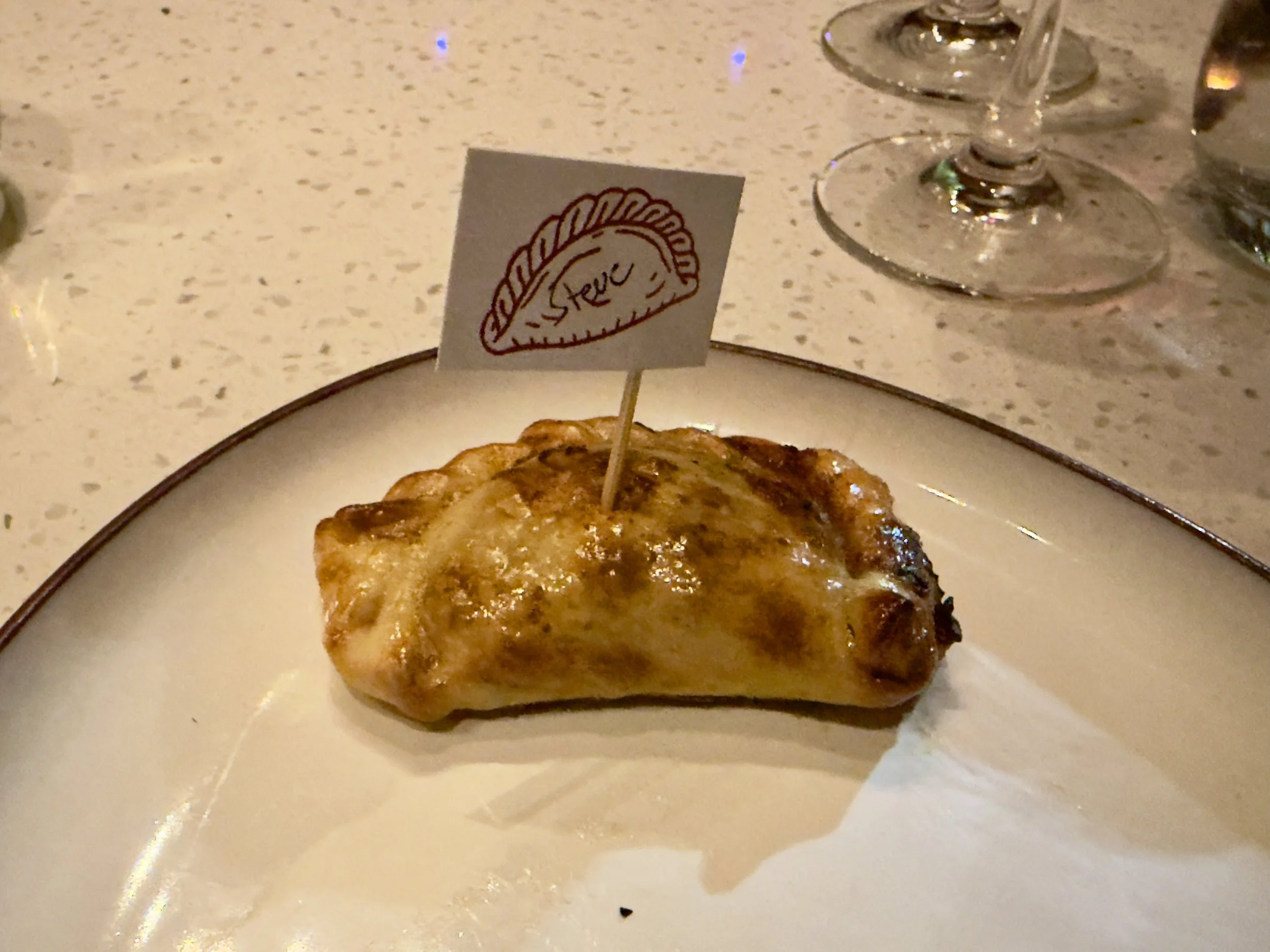
Over the next two days, we explored Buenos Aires' grand avenues, historic architecture, and vibrant neighborhoods. One highlight was participating in a cooking class in Palermo, a district known for its energetic atmosphere, exceptional restaurants, and thriving café culture. It was the perfect introduction to Argentine hospitality before heading south toward the end of the world.
Our final evening in Buenos Aires was spent at the Hilton Buenos Aires in Puerto Madero, where HX Expeditions coordinated embarkation logistics and provided guests with information about the charter flight to Ushuaia the following morning.
The excitement among passengers was unmistakable. Conversations revolved around potential wildlife sightings, weather forecasts, and anticipation for the adventure ahead. Later that evening, HX hosted a rooftop reception where future shipmates had an opportunity to meet one another before embarking on the journey.
Ushuaia: The Gateway to Antarctica
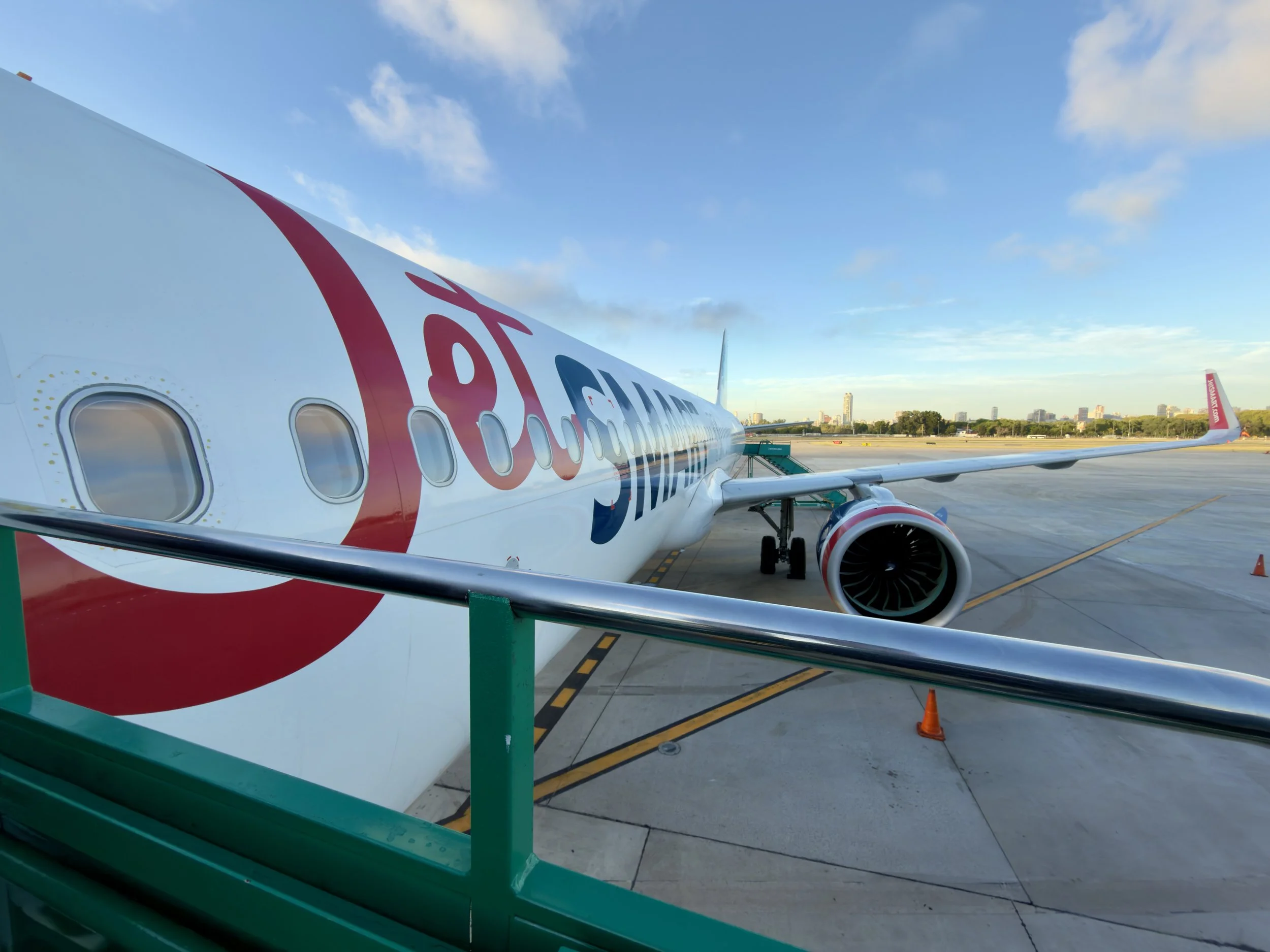
The following morning began well before sunrise. By 5:30 a.m., we were already en route to the airport for our charter flight south to Ushuaia, the southernmost city in the world.
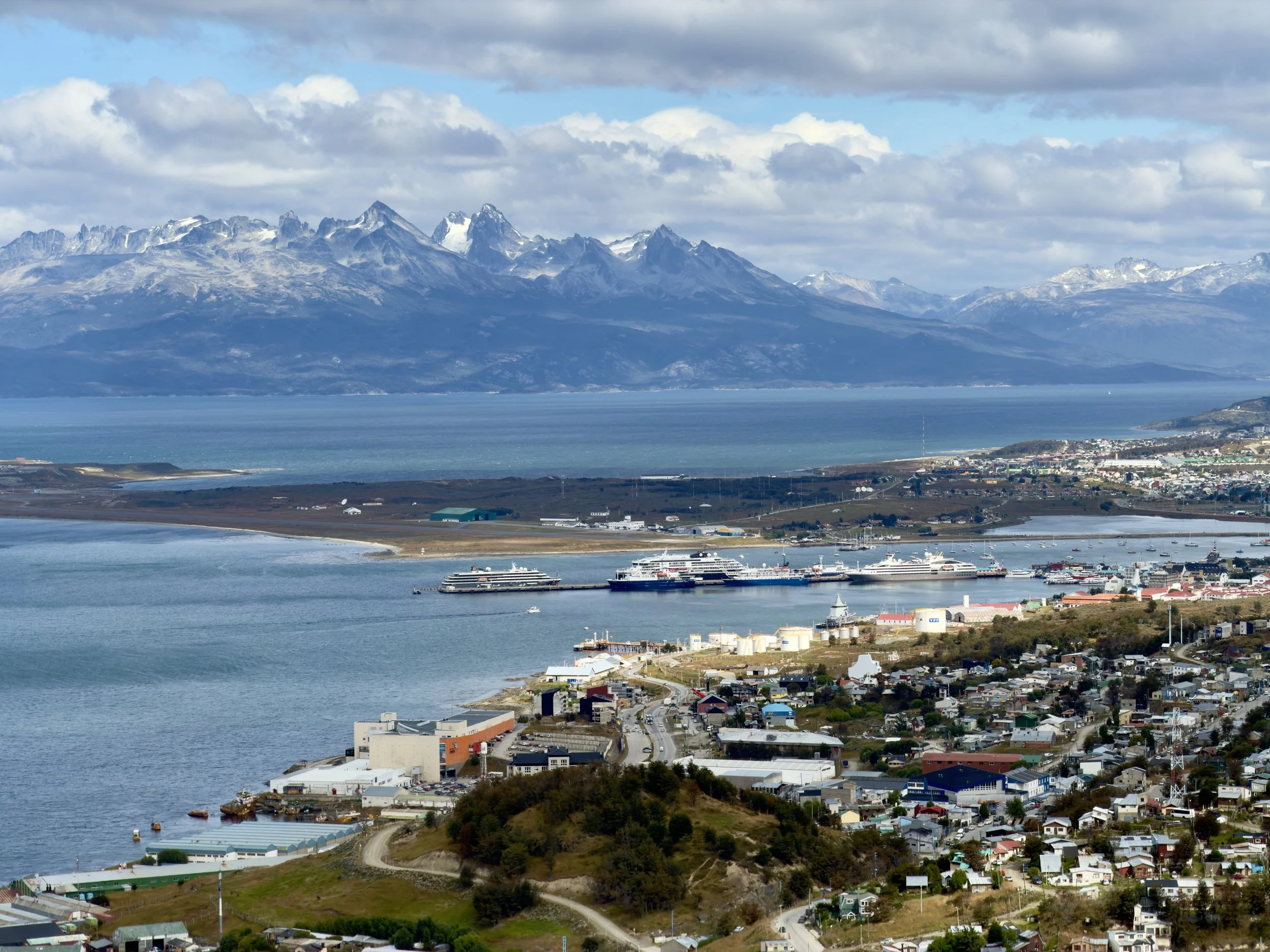
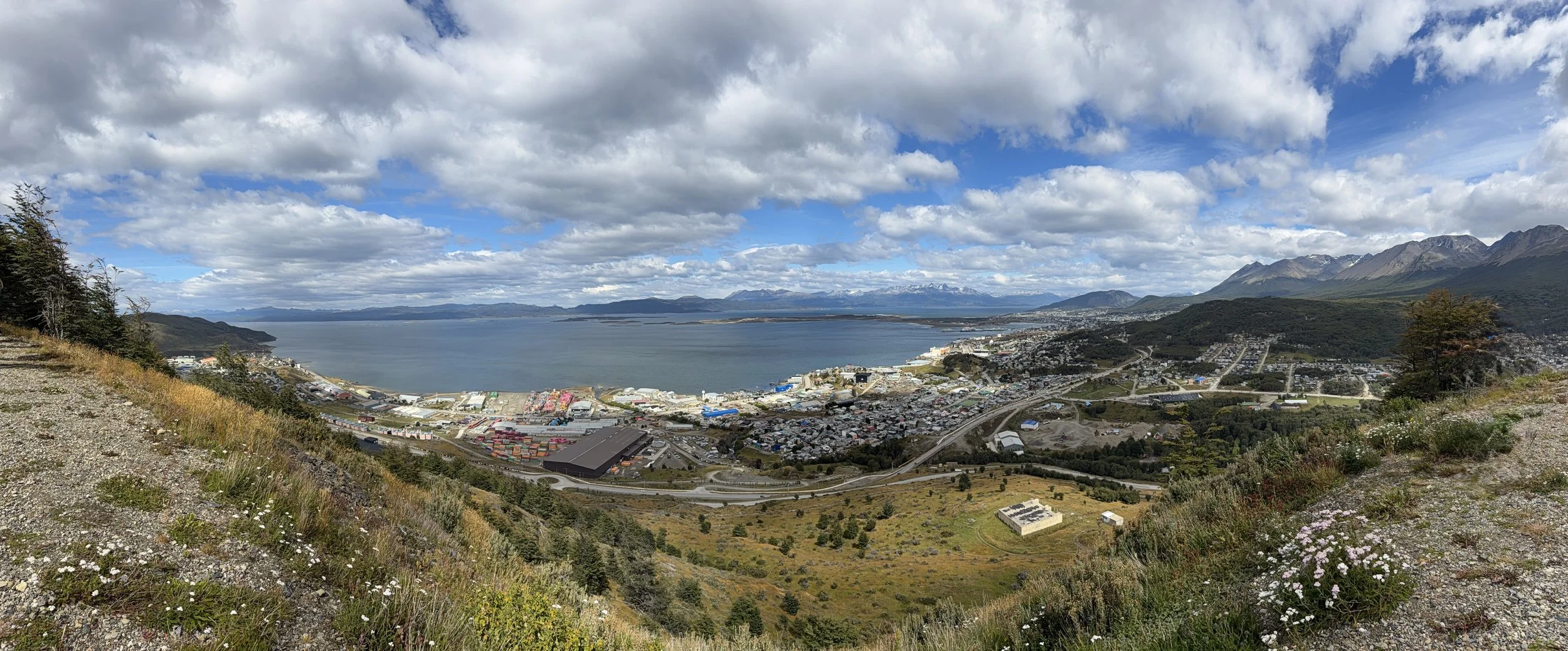
The approach into Ushuaia was spectacular. Snow-dusted peaks surrounded the city while the rugged landscapes of Tierra del Fuego stretched toward the horizon. Even before reaching Antarctica, it felt as though we had entered a different world.
Suite guests were transferred to the beautiful Arakur Resort & Spa while awaiting embarkation. Perched high above Ushuaia, the property offers breathtaking views of the surrounding mountains and Beagle Channel. A leisurely lunch and access to the spa proved to be a welcome way to spend the afternoon before boarding.
Then came the moment we had been waiting for.
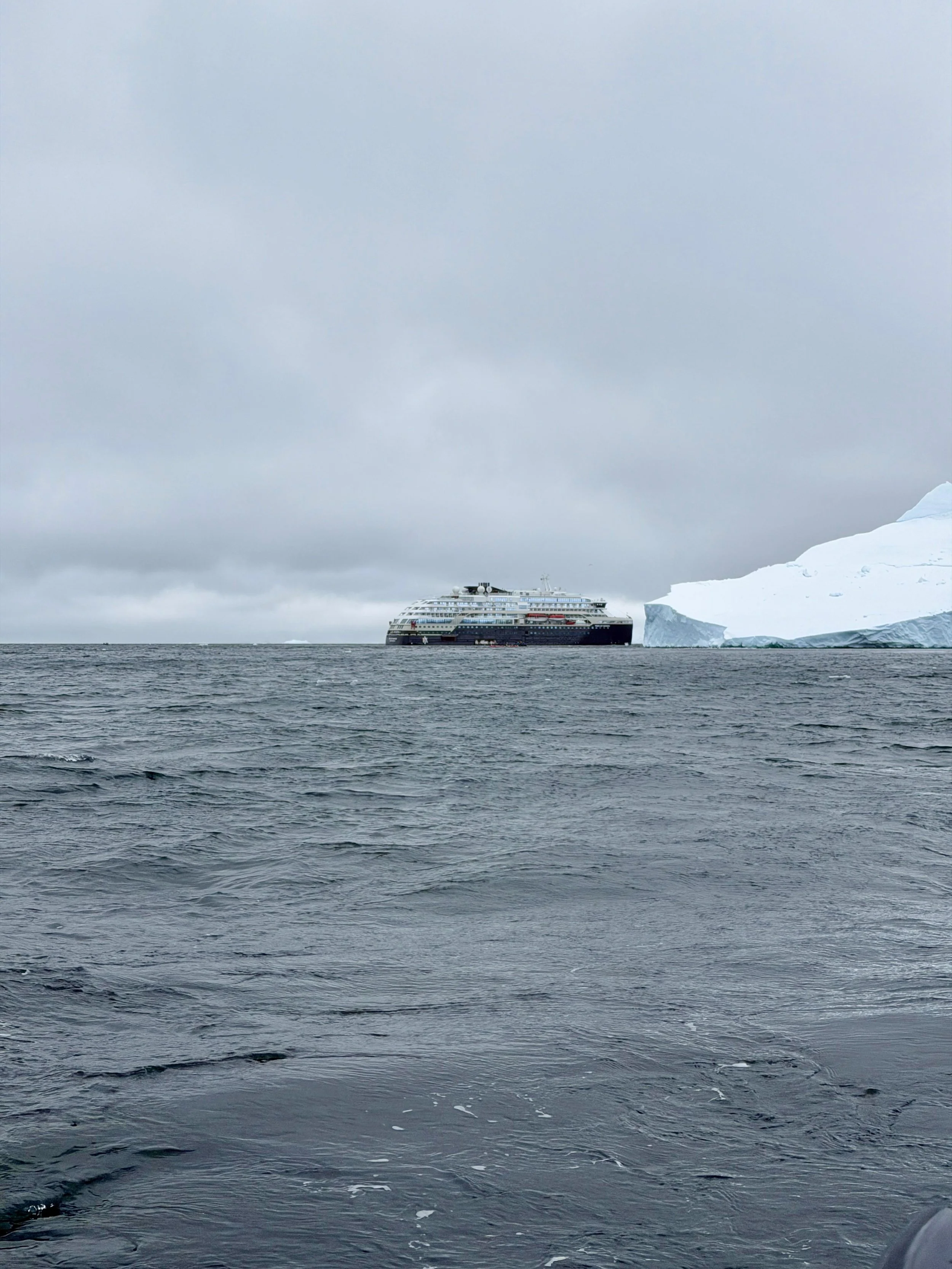
As we approached the pier, the MS Fridtjof Nansen came into view. Purpose-built for polar exploration and equipped with hybrid propulsion technology, she would serve as our home for the next ten days.
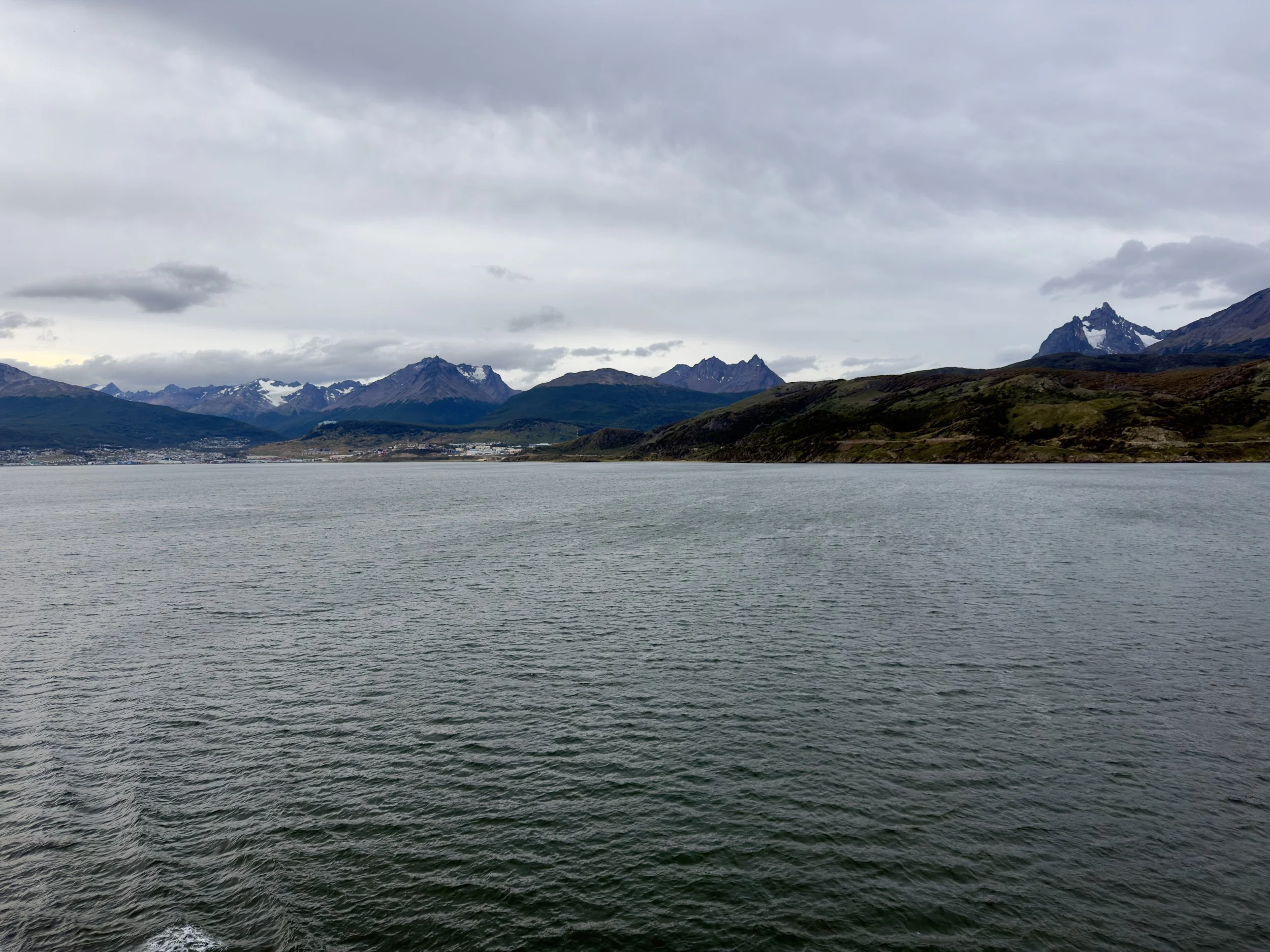
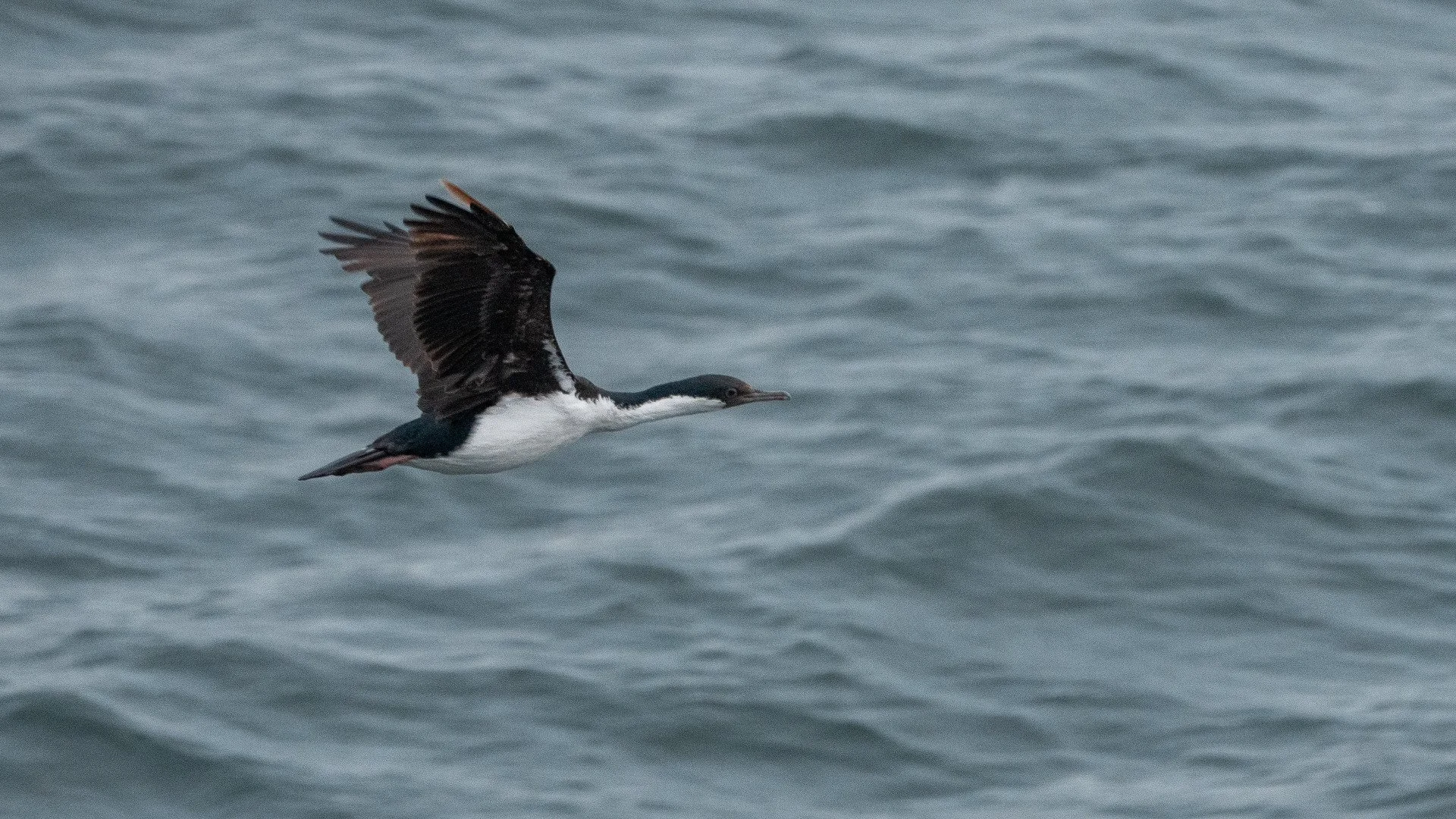
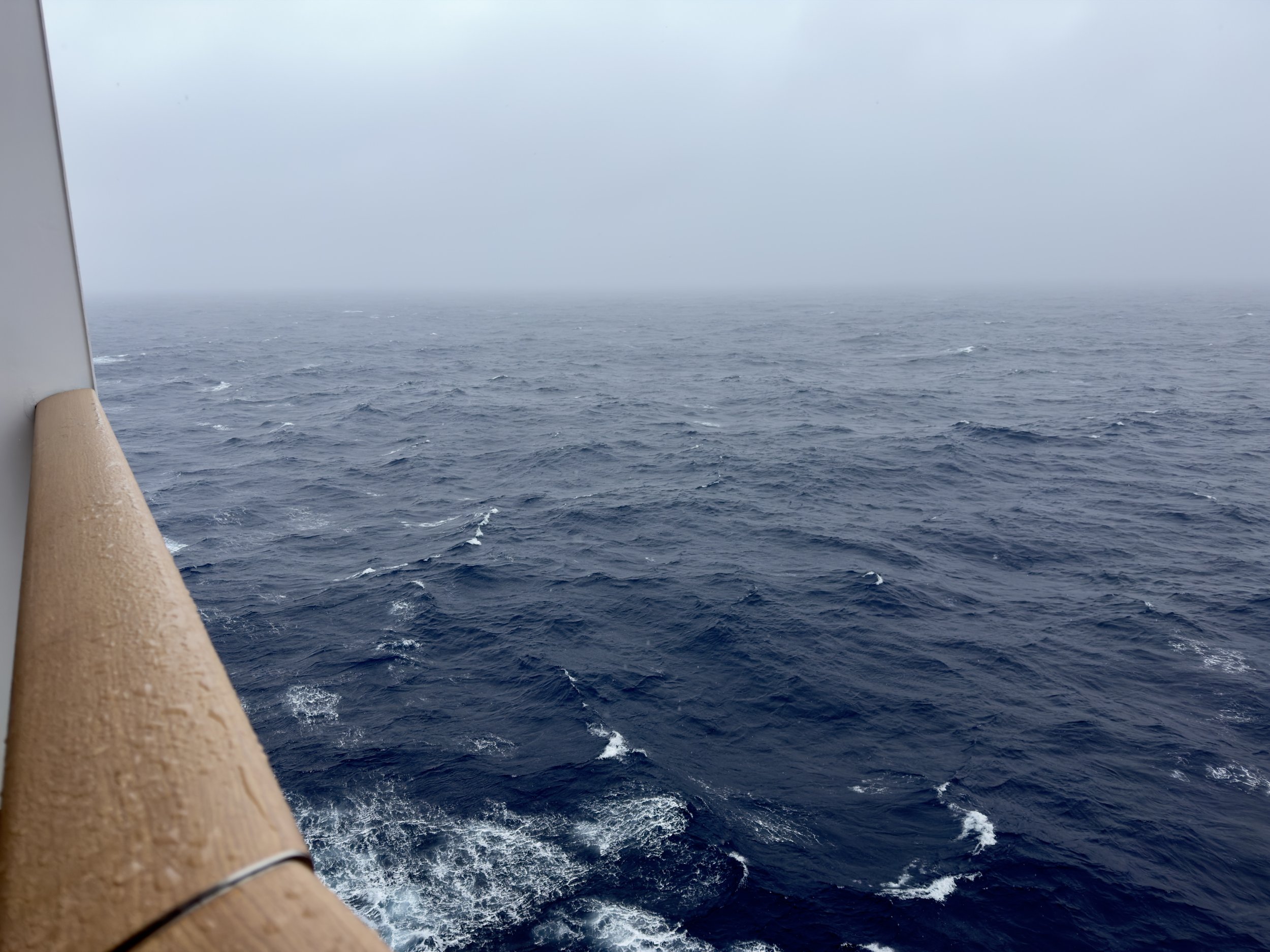
That evening, the ship departed Ushuaia and began navigating the scenic Beagle Channel. Snow-capped mountains lined the shoreline while seabirds followed in our wake. Ahead lay the infamous Drake Passage and, beyond it, Antarctica itself.
Crossing the Drake Passage
No voyage to Antarctica is complete without crossing the Drake Passage.
Named after the sixteenth-century explorer Sir Francis Drake, this stretch of water separating South America from Antarctica has earned a reputation as one of the most challenging maritime crossings in the world.
Fortunately, our southbound crossing proved relatively calm.
The two days at sea provided an opportunity to settle into shipboard life. Guests attended lectures presented by the expedition team, participated in wildlife-spotting sessions from the observation decks, and learned about the history, geology, and ecology of Antarctica.
One of the most important sessions focused on IAATO regulations. The International Association of Antarctica Tour Operators establishes strict guidelines designed to protect Antarctica's fragile ecosystem and ensure responsible tourism practices. These rules govern everything from wildlife interaction distances to biosecurity procedures, helping preserve the continent for future generations.
As the ship continued southward, anticipation steadily grew.
First Sight of Antarctica
Then, on the morning of the third day, Antarctica finally appeared.
Stepping onto our balcony that morning remains one of the most memorable moments of the entire journey.
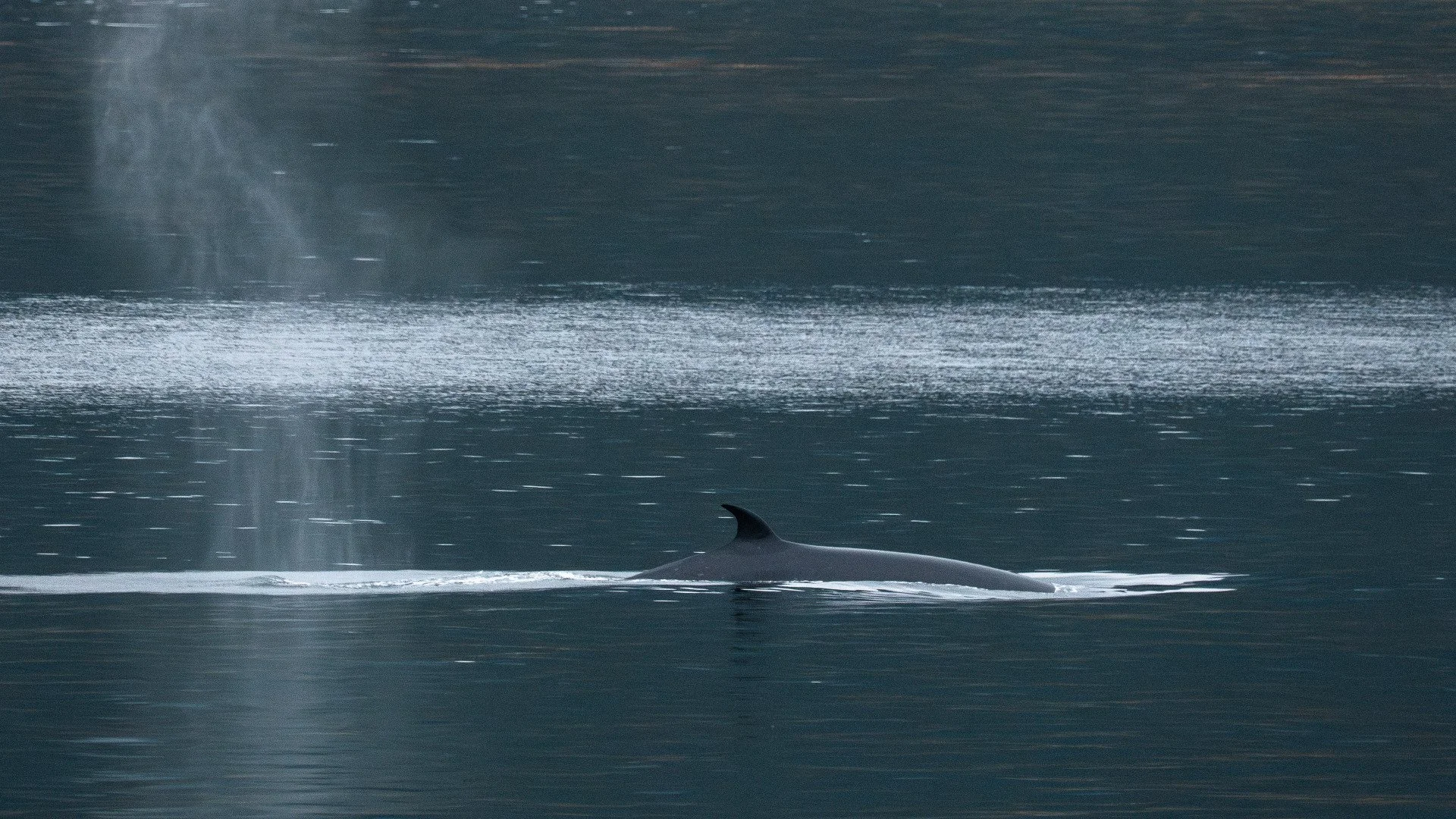
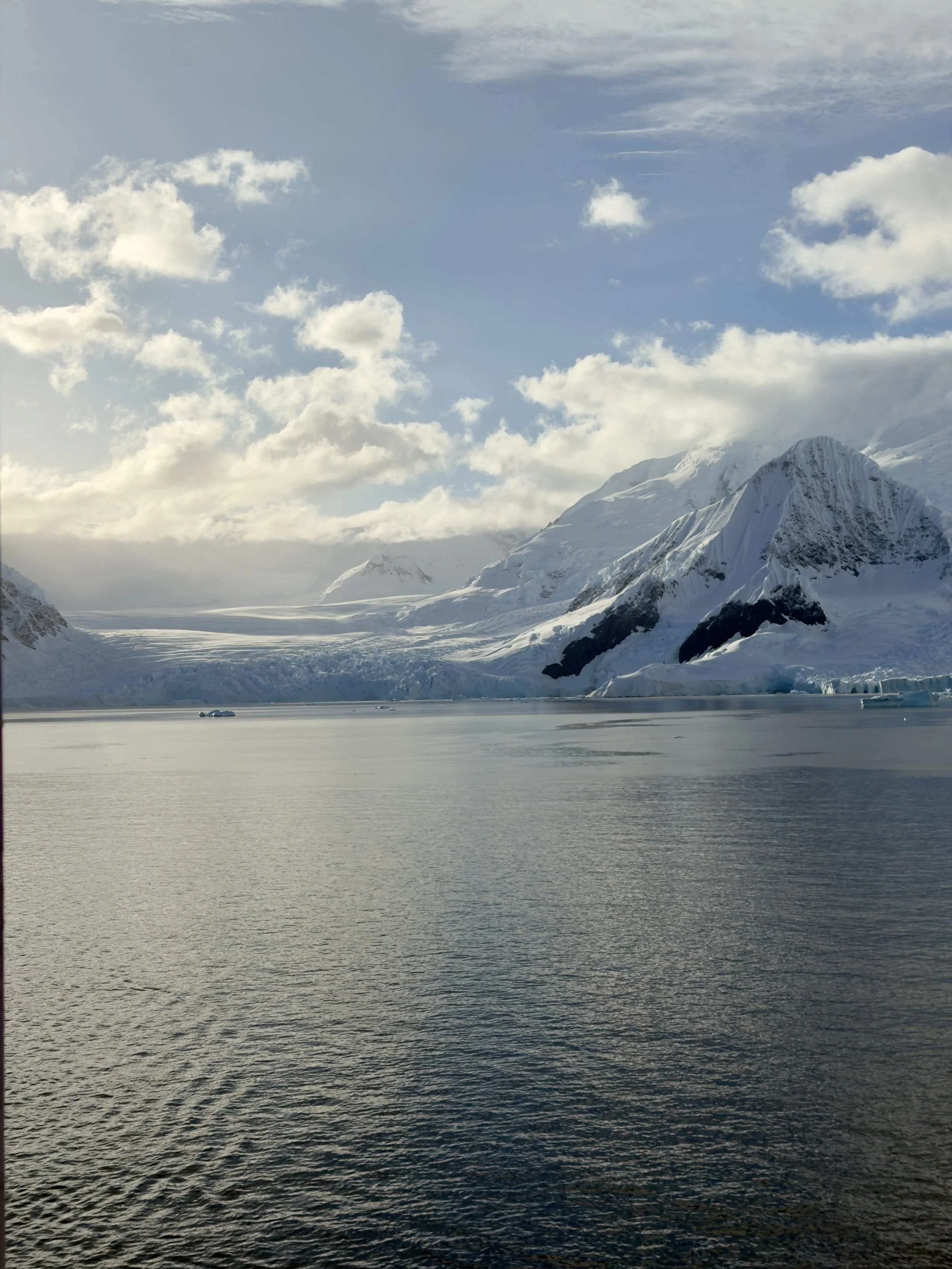
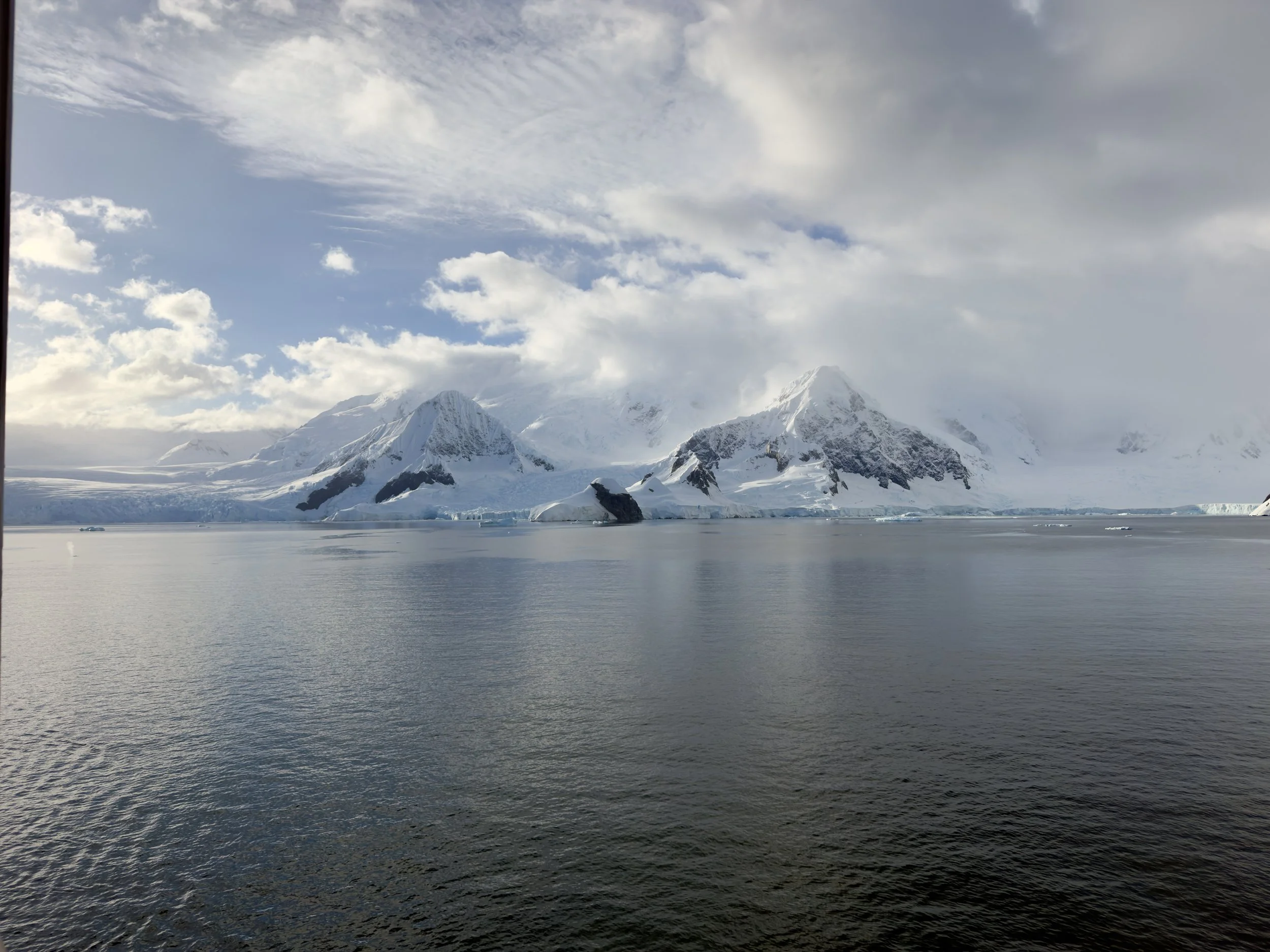
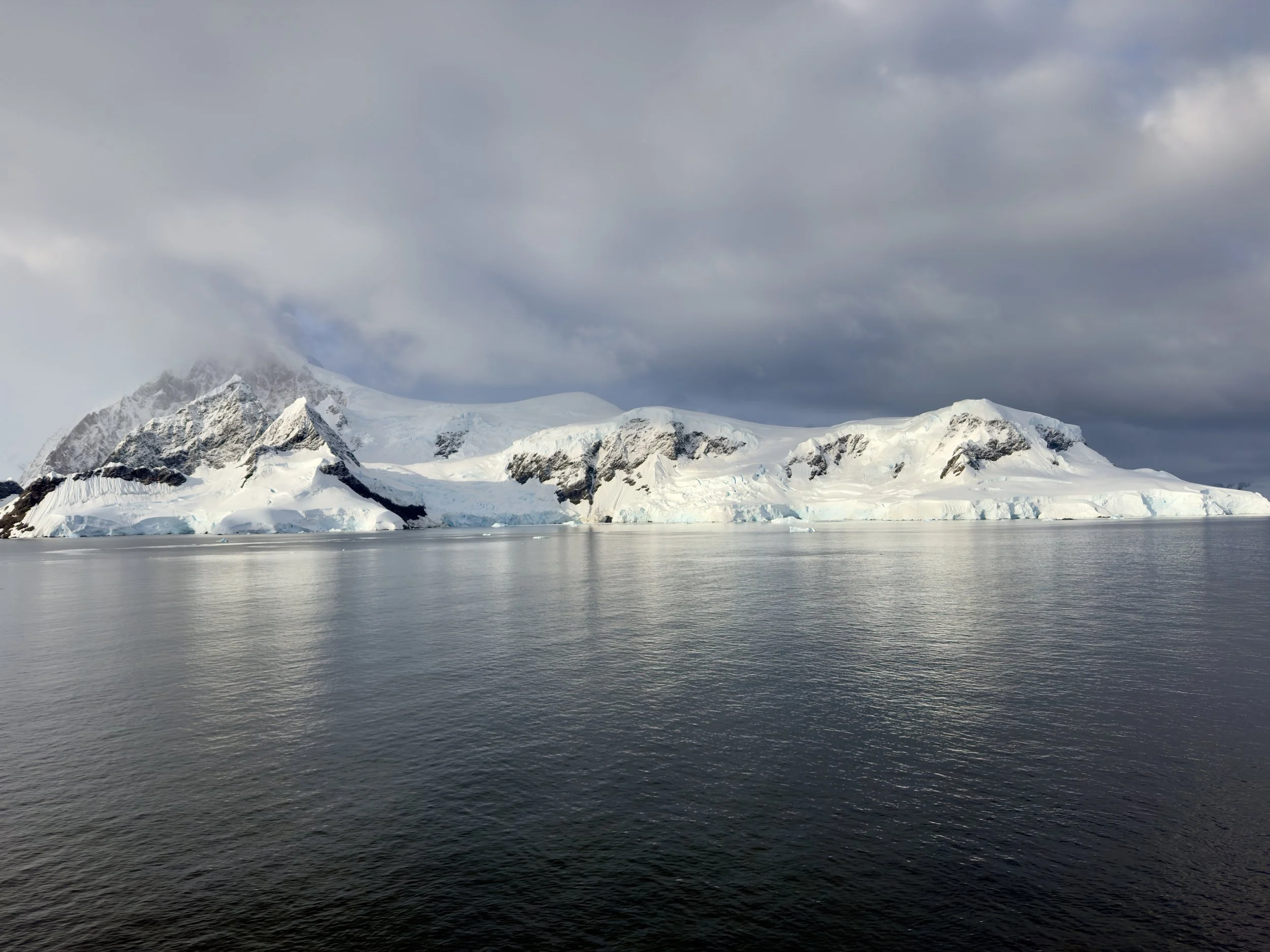
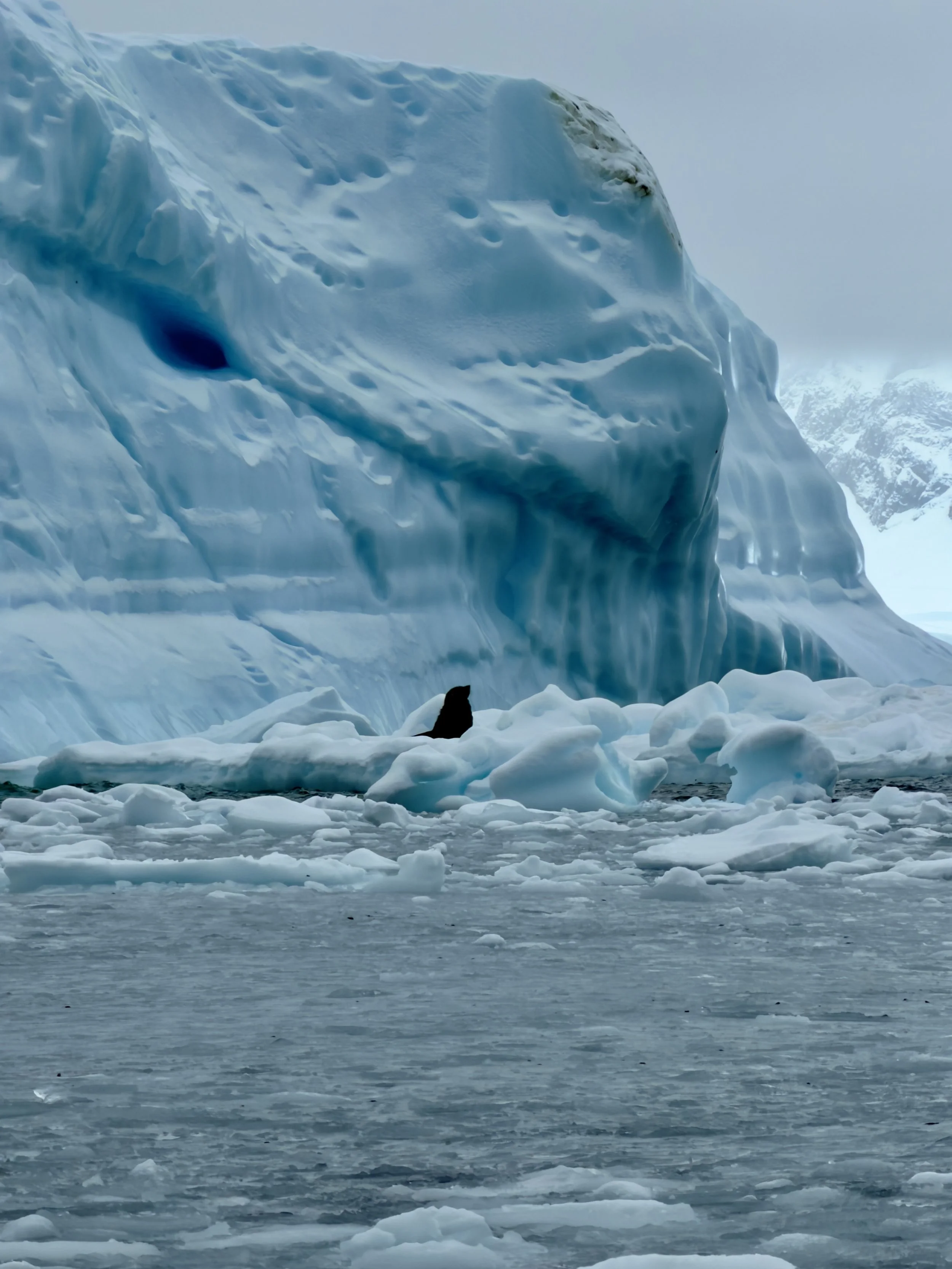
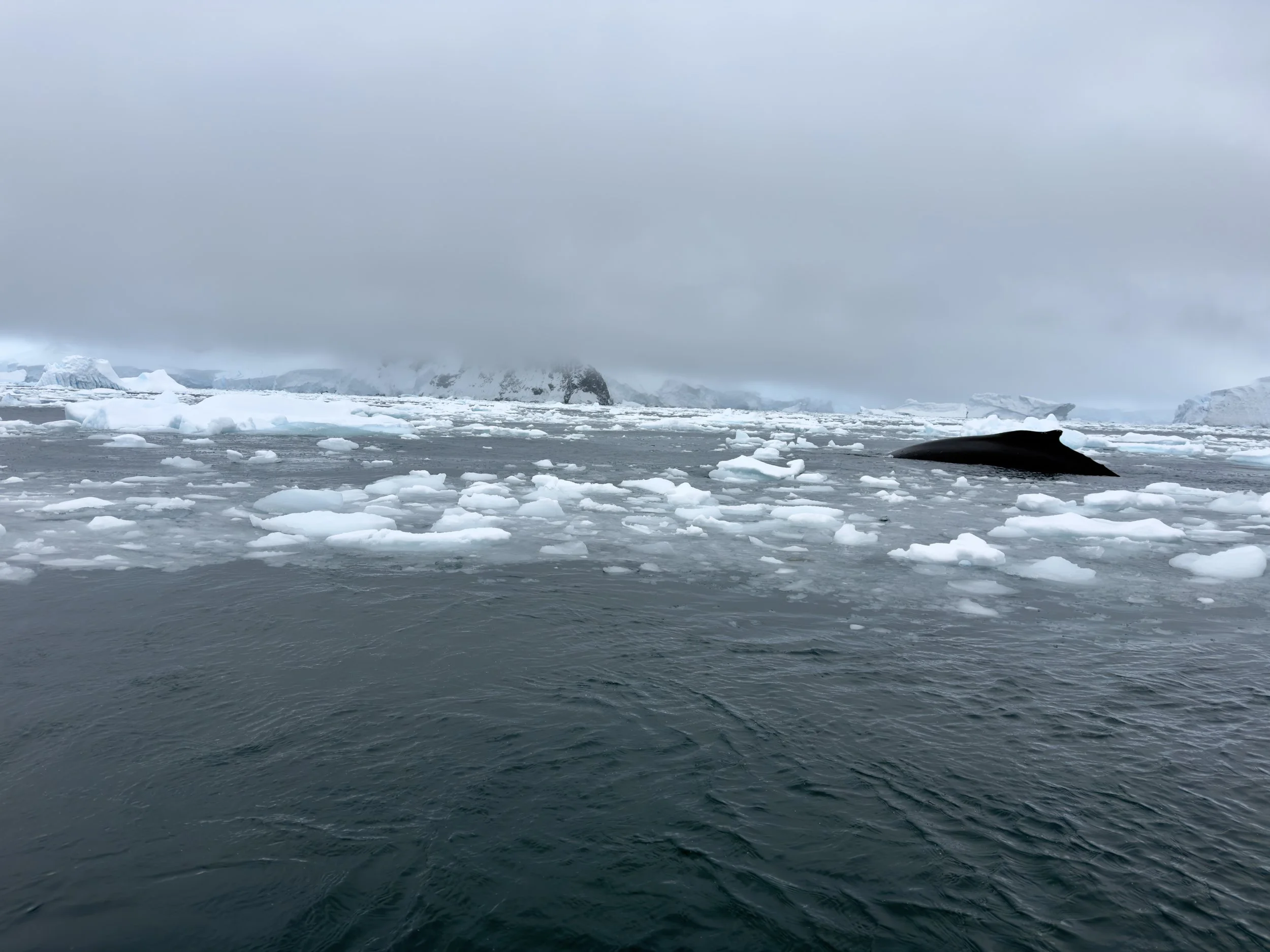
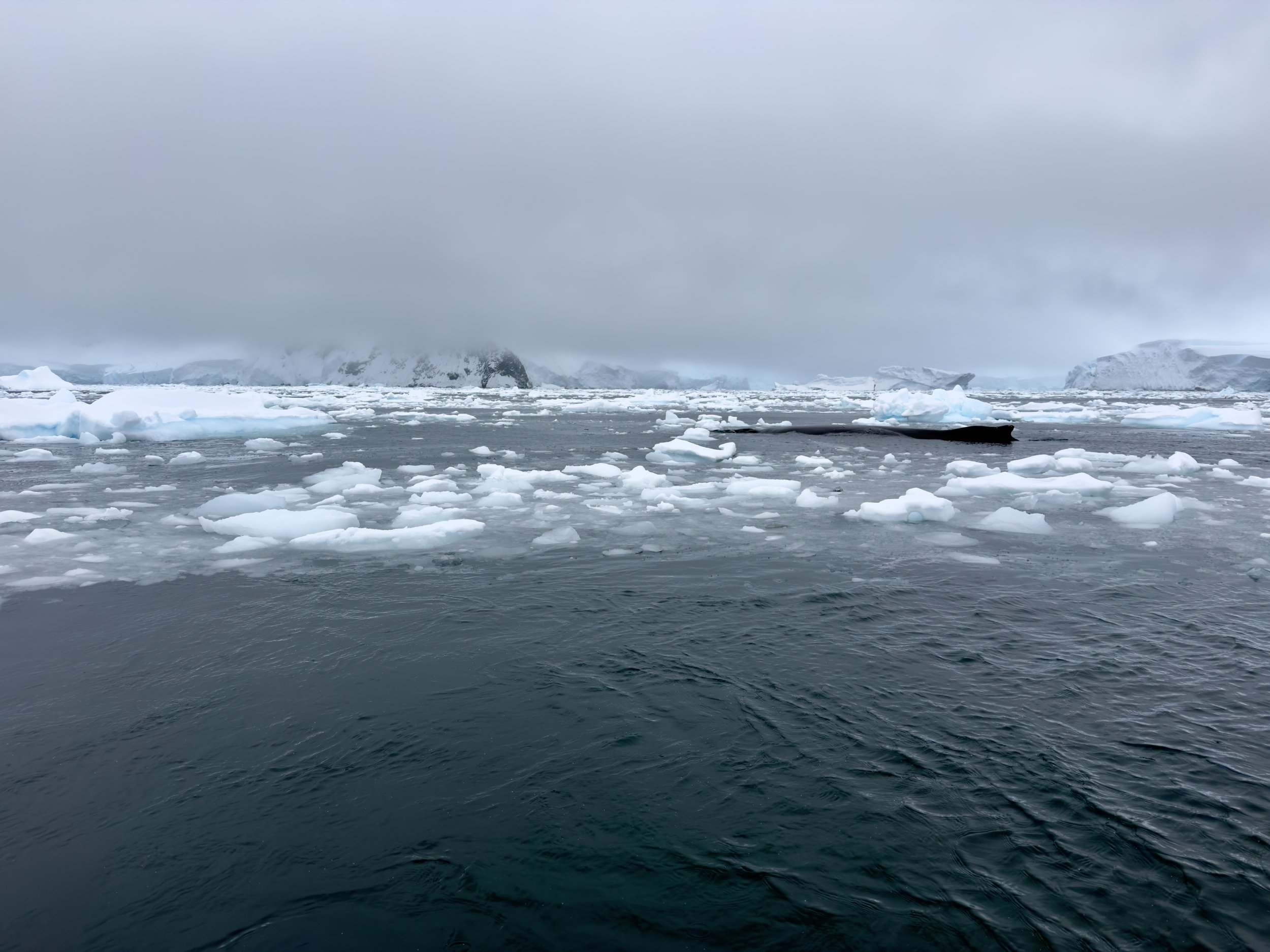
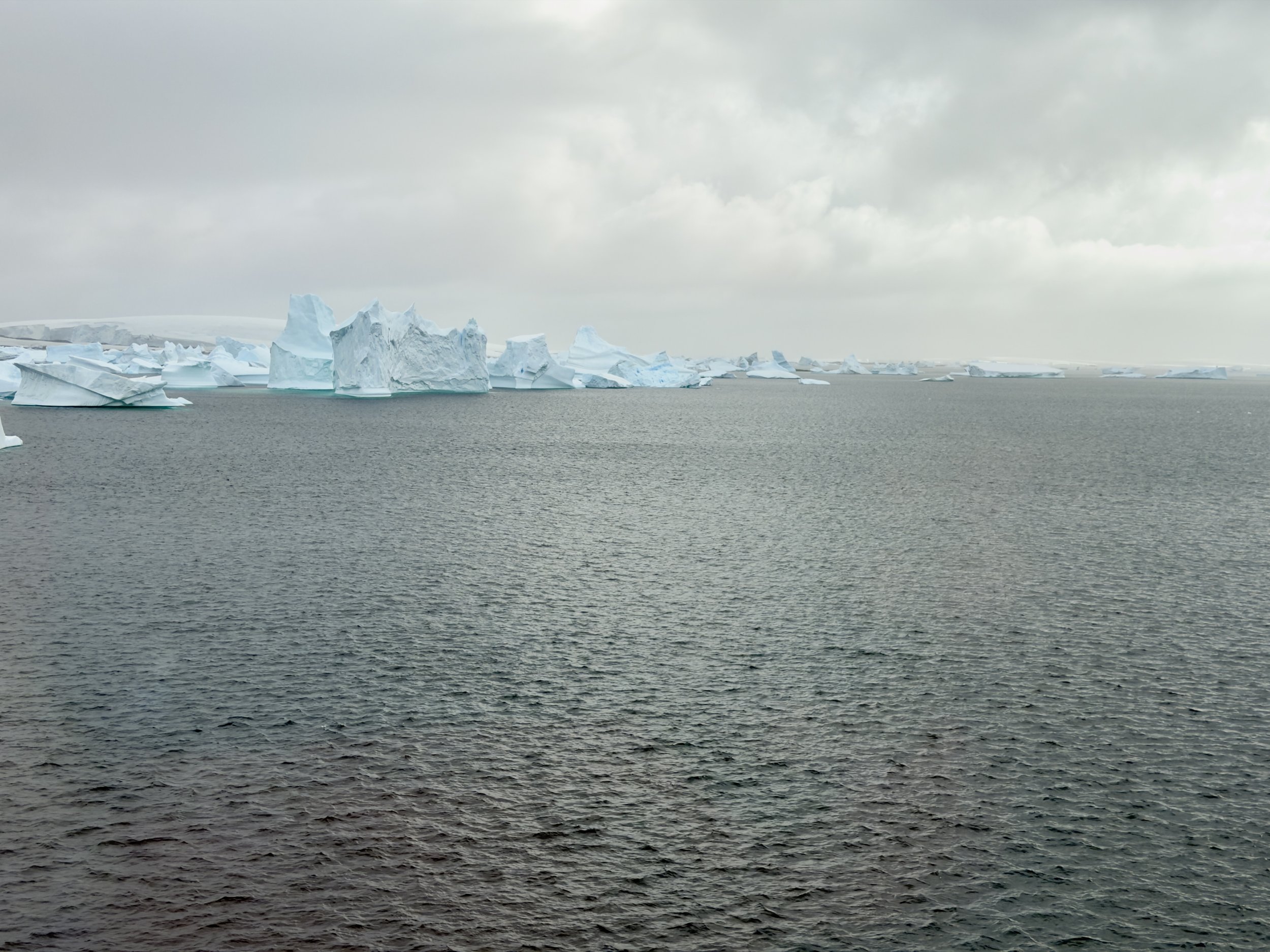
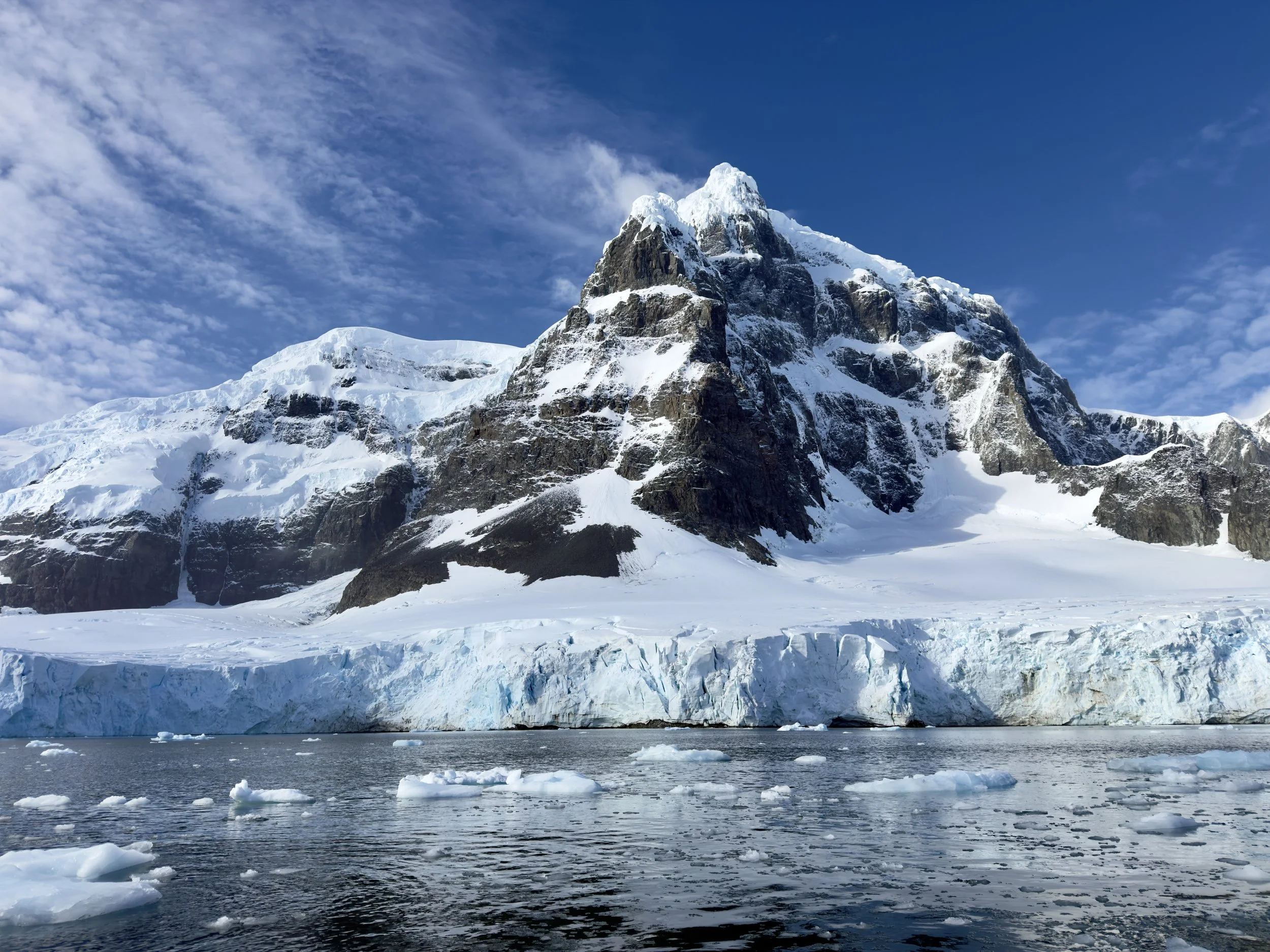
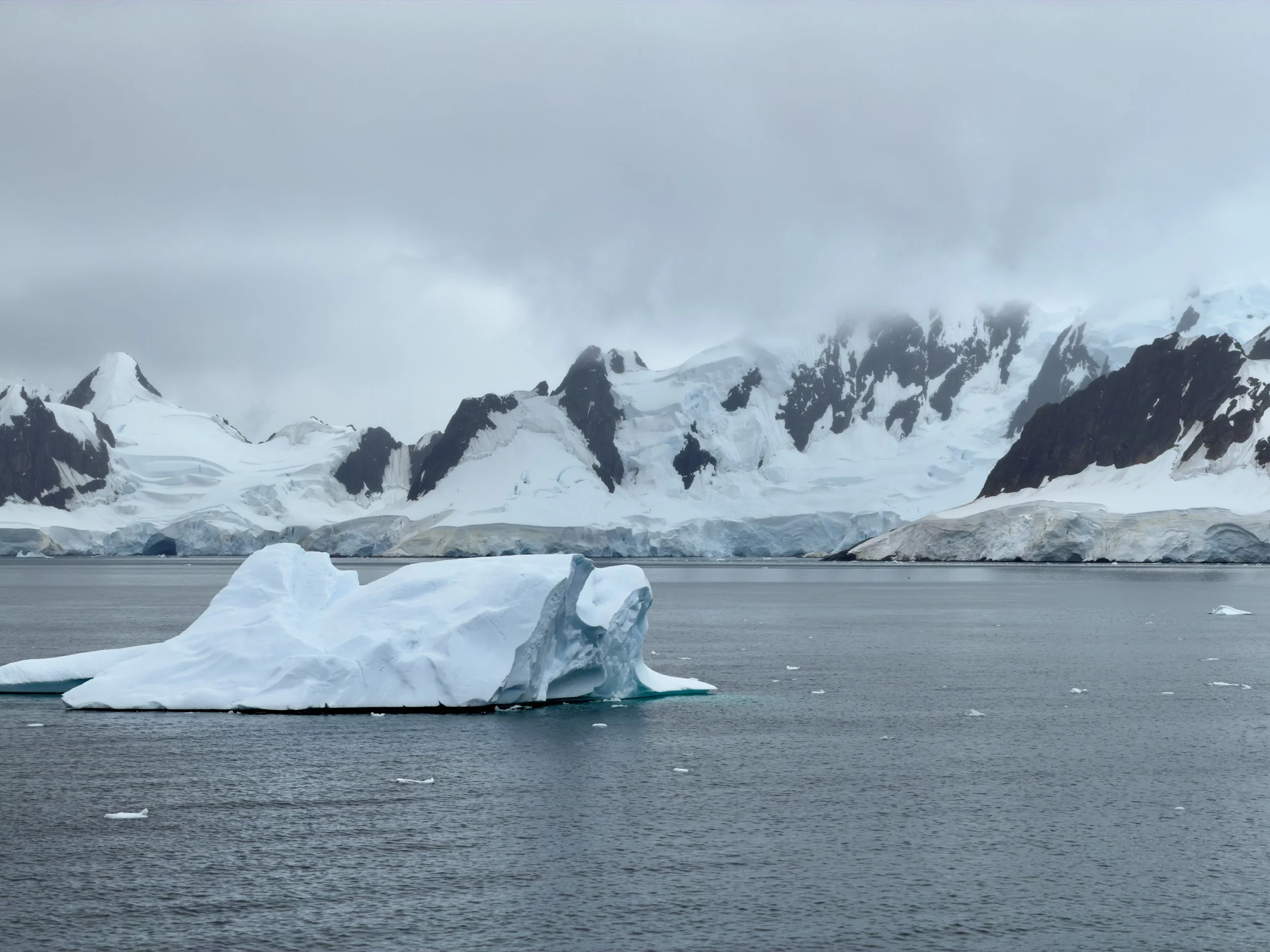
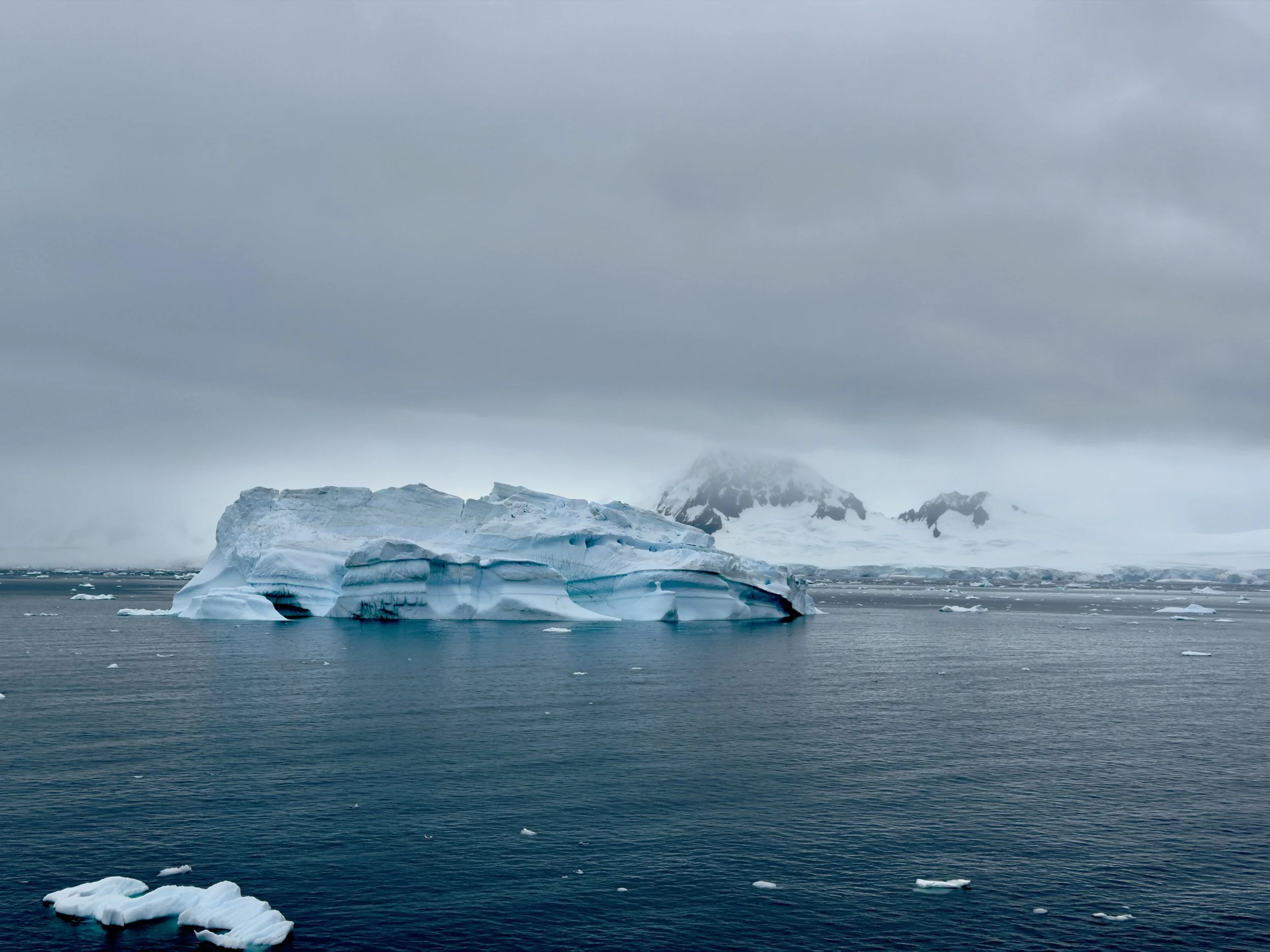
Towering snow-covered mountains stretched toward the sky. Massive icebergs floated silently through calm waters, their surfaces glowing in shades of blue and white. In the distance, humpback whales surfaced and disappeared among the ice.
What struck me most, however, was the silence.
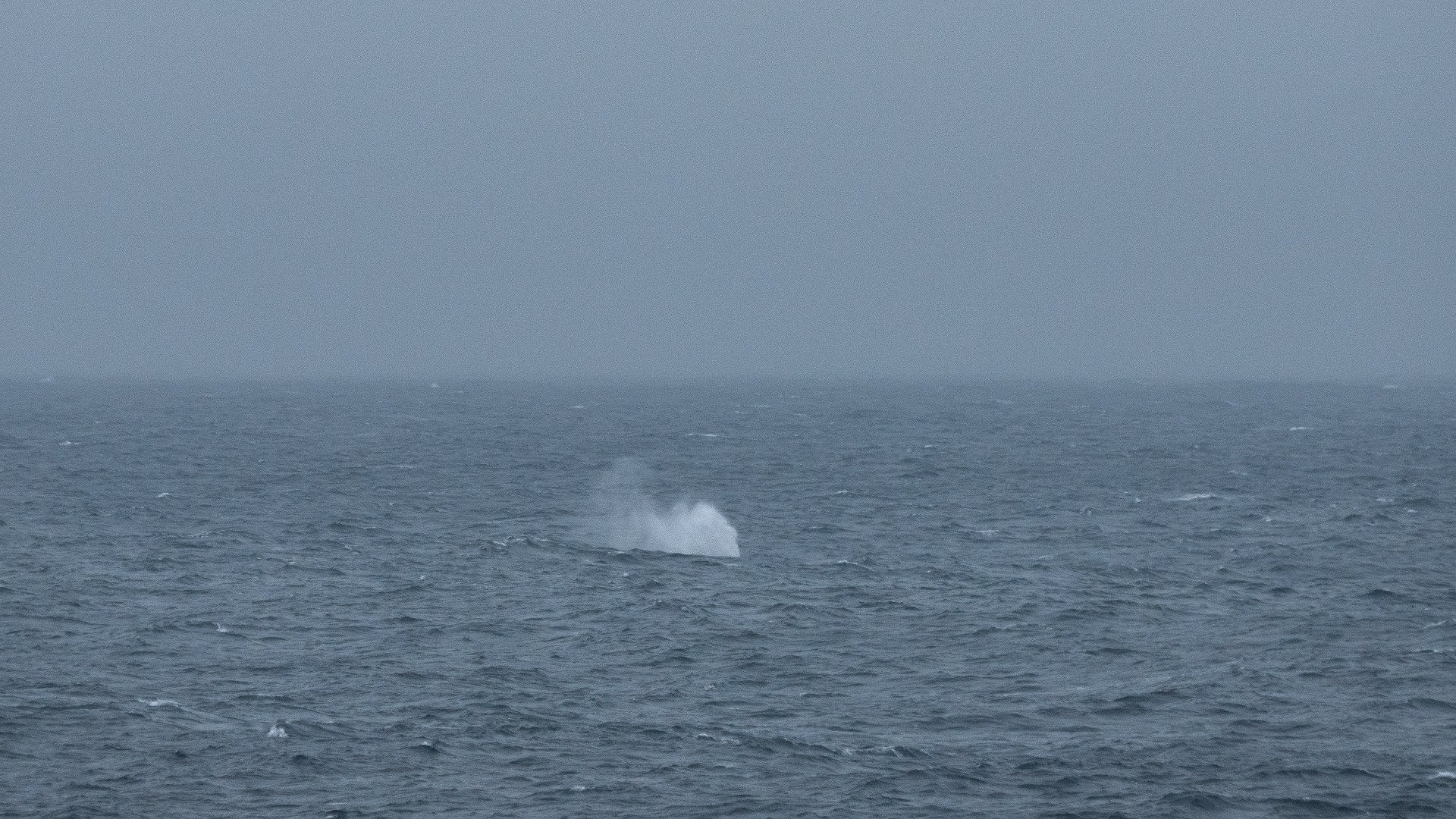
Aside from the occasional crack of ice and the distant blow of a whale, there was almost no sound at all. In a world increasingly filled with noise, Antarctica felt wonderfully untouched.
Wilhelmina Bay
We had arrived in Wilhelmina Bay.
Soon after breakfast, the expedition team began preparing the fleet of zodiacs that would carry us into the Antarctic wilderness.
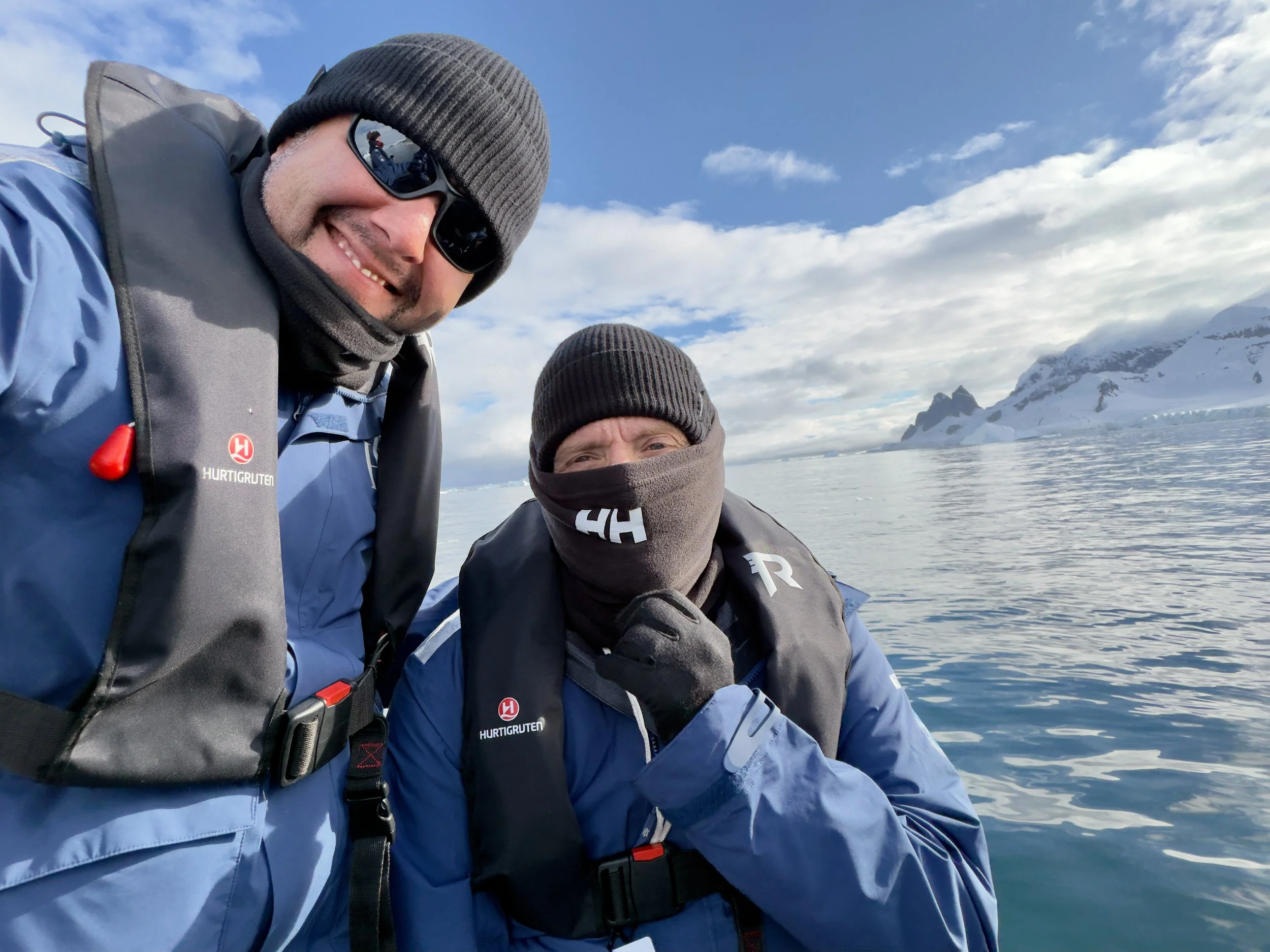
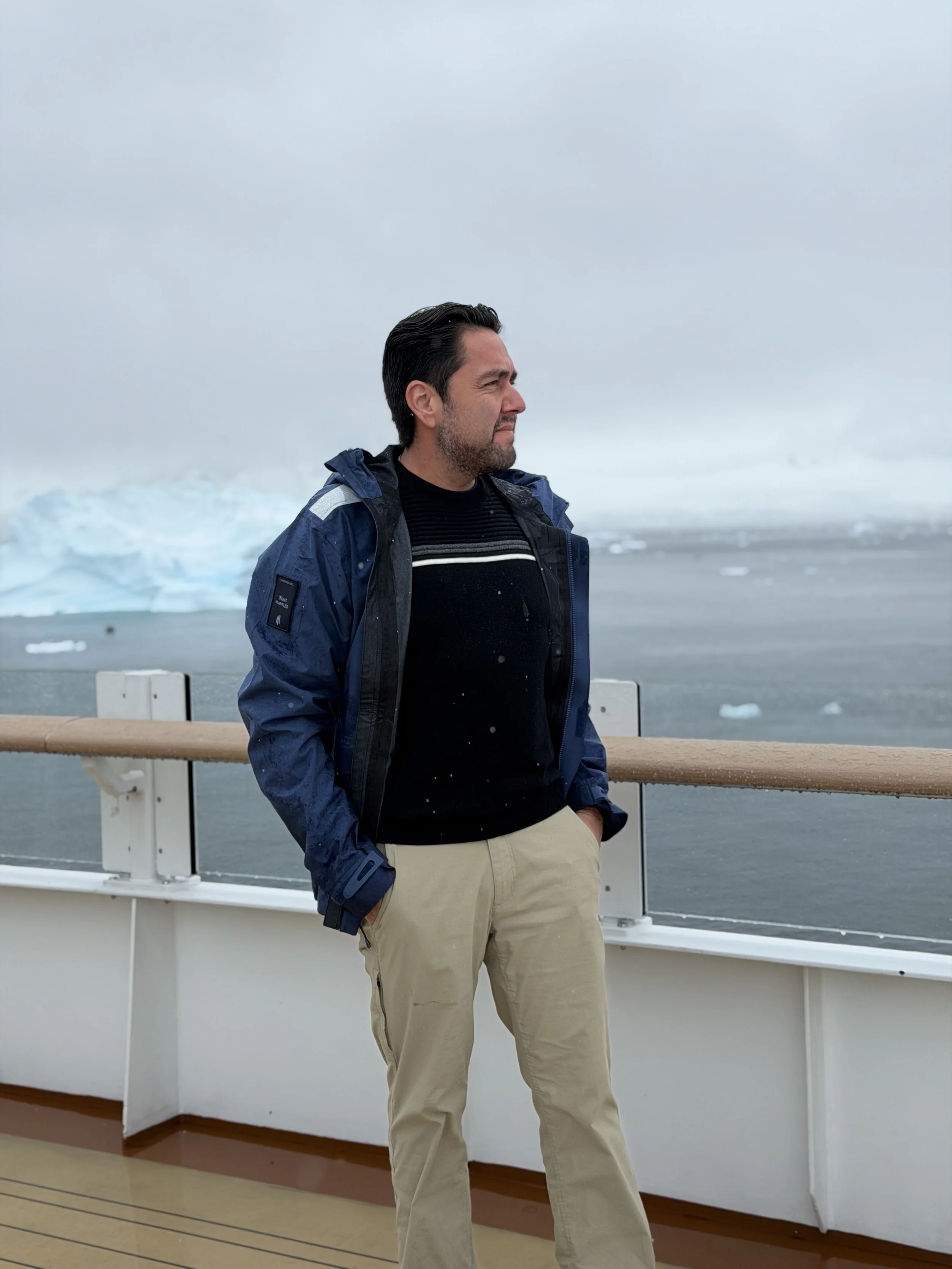
Layered in thermal clothing, waterproof outerwear, and muck boots, we boarded our zodiac for the first time.
Nothing can truly prepare you for that first Antarctic zodiac excursion.
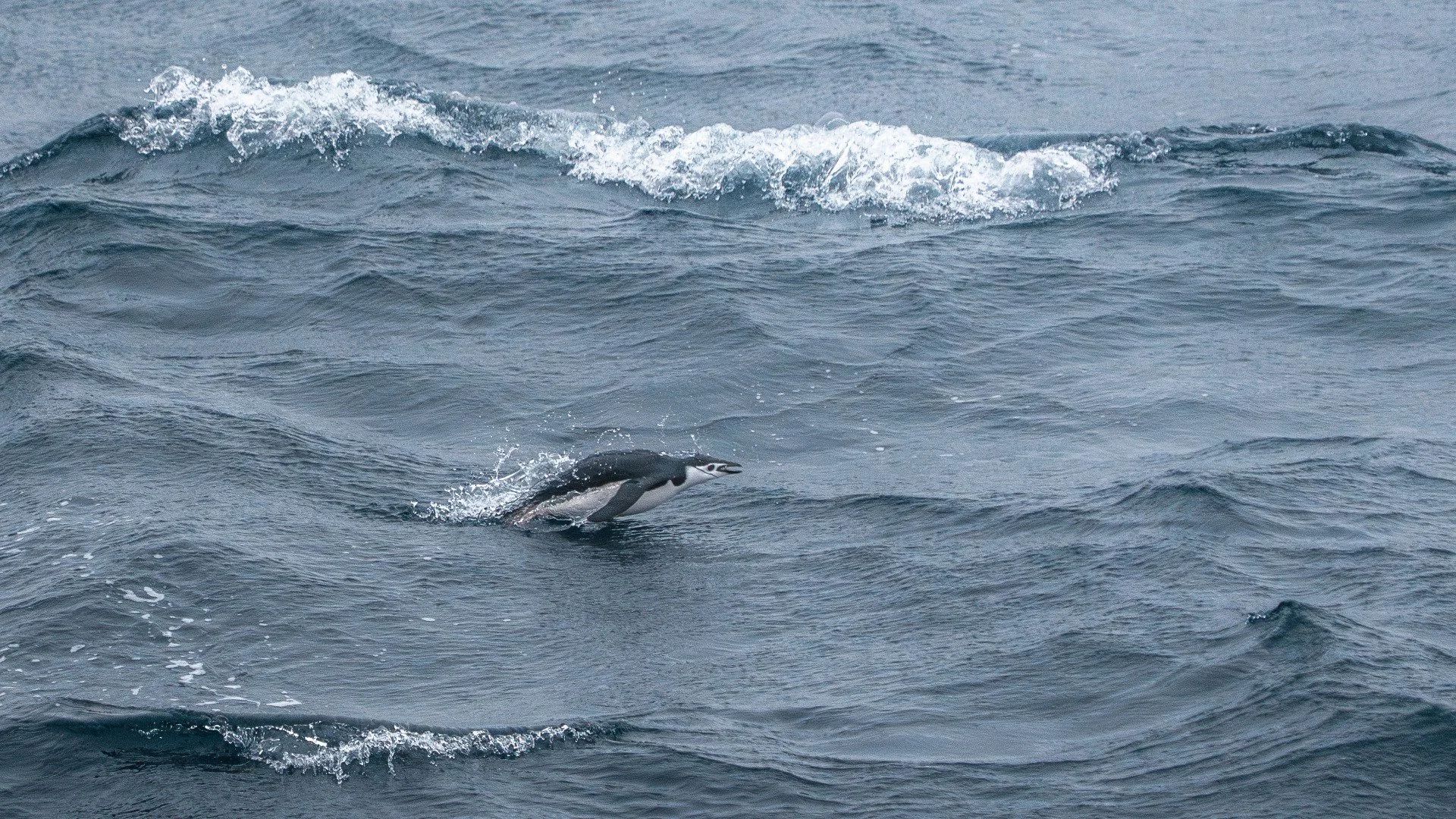
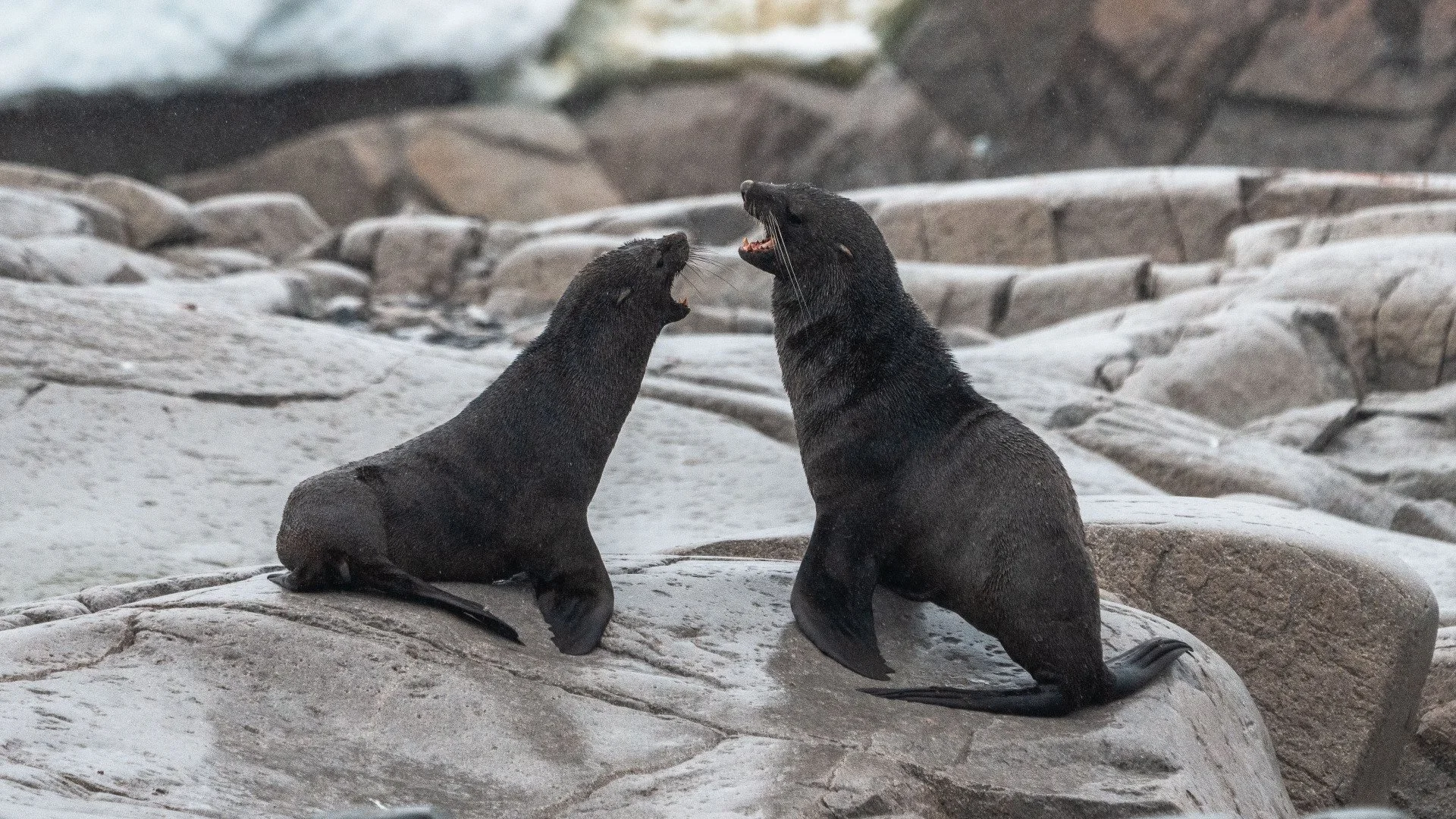
As we moved quietly across the water, the landscape seemed to come alive around us. Humpback whales surfaced nearby. Seals rested on floating ice. Penguins porpoised through the water with remarkable speed and agility.
Perhaps most remarkable was how unaffected the wildlife seemed by our presence. Life simply continued as it had for thousands of years in one of the most remote corners of the planet.
That afternoon, guests were invited to participate in one of Antarctica's most famous traditions: the Polar Plunge. Secured by safety lines and encouraged by enthusiastic spectators, brave participants leaped into Antarctic waters hovering just above freezing.
It's an experience I can confidently recommend—once.
Hovgaard Island, Pléneau Island, and the Lemaire Channel
The following morning brought another breathtaking landscape.
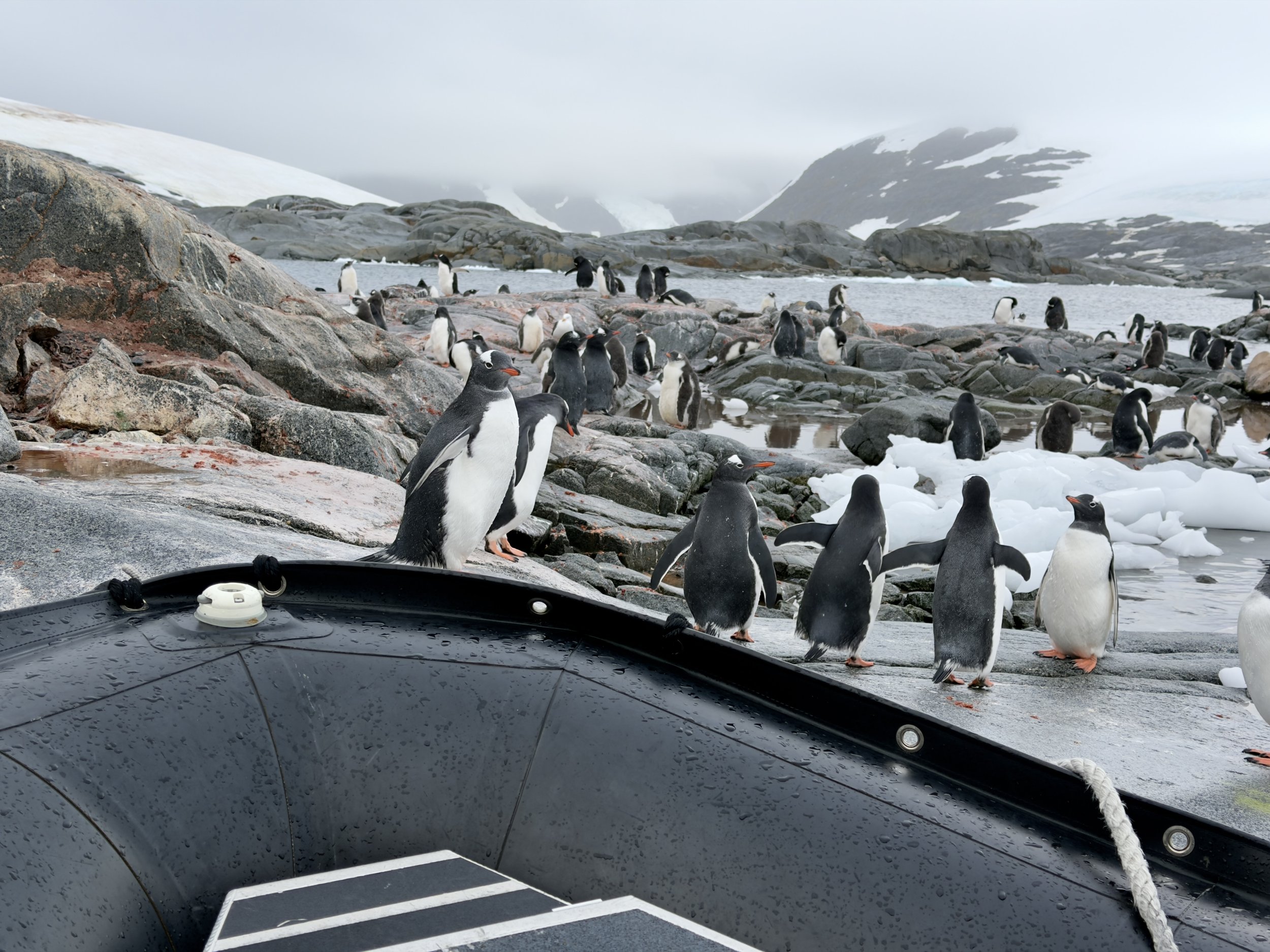
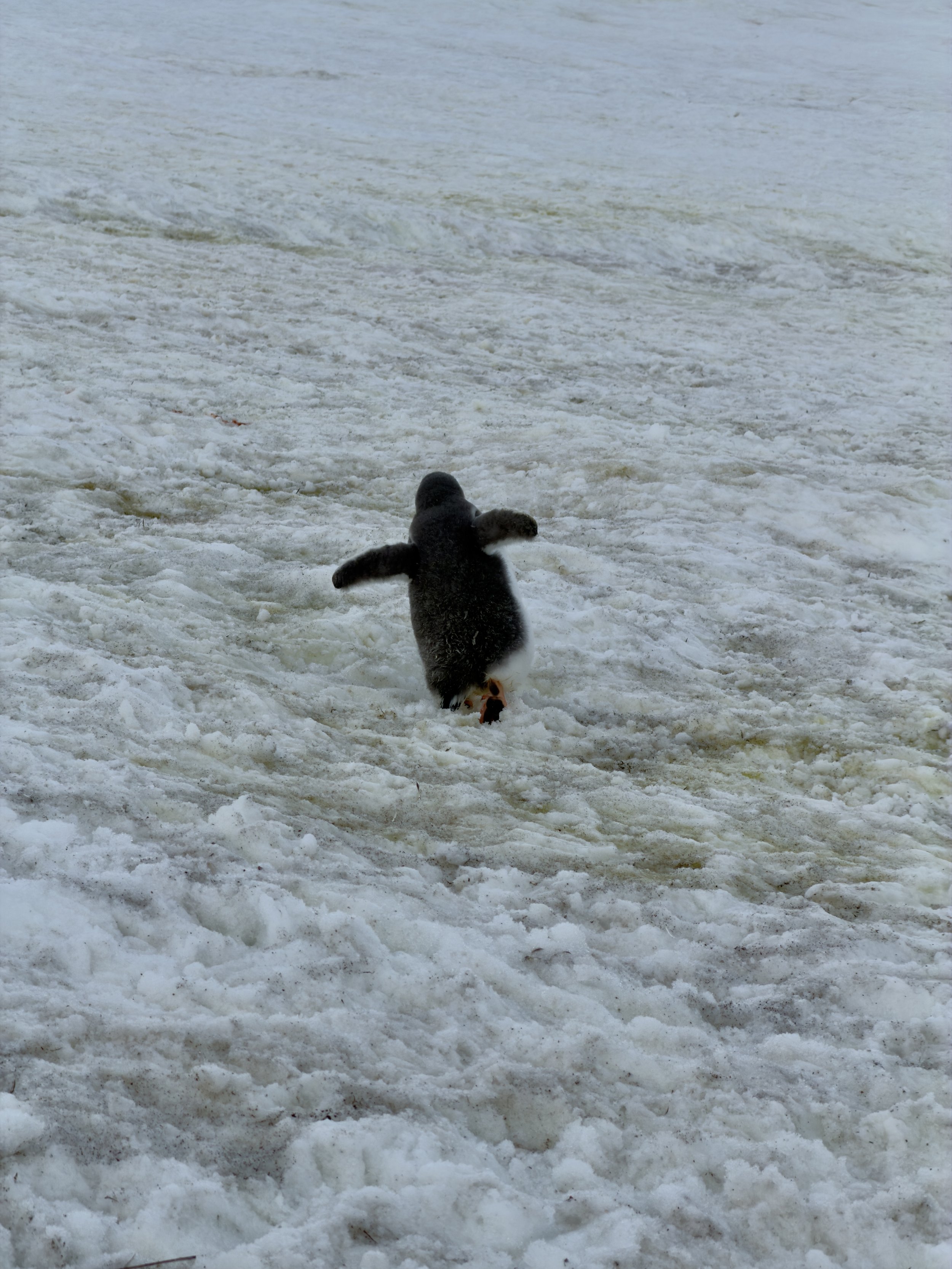
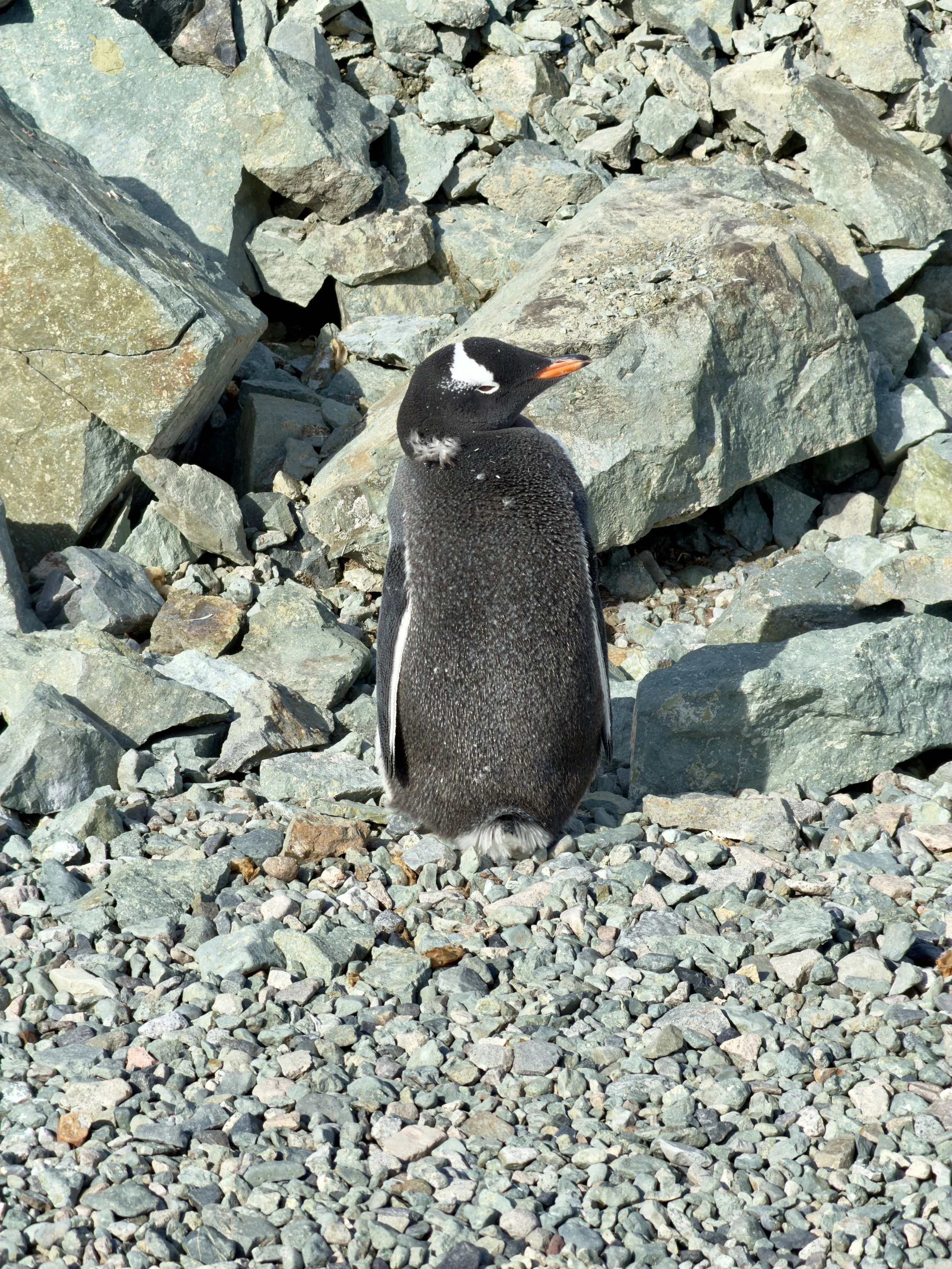
Our zodiac cruise around Hovgaard Island offered our first extended encounter with Gentoo penguins. Watching them waddle across the snow and launch themselves into the water was endlessly entertaining.
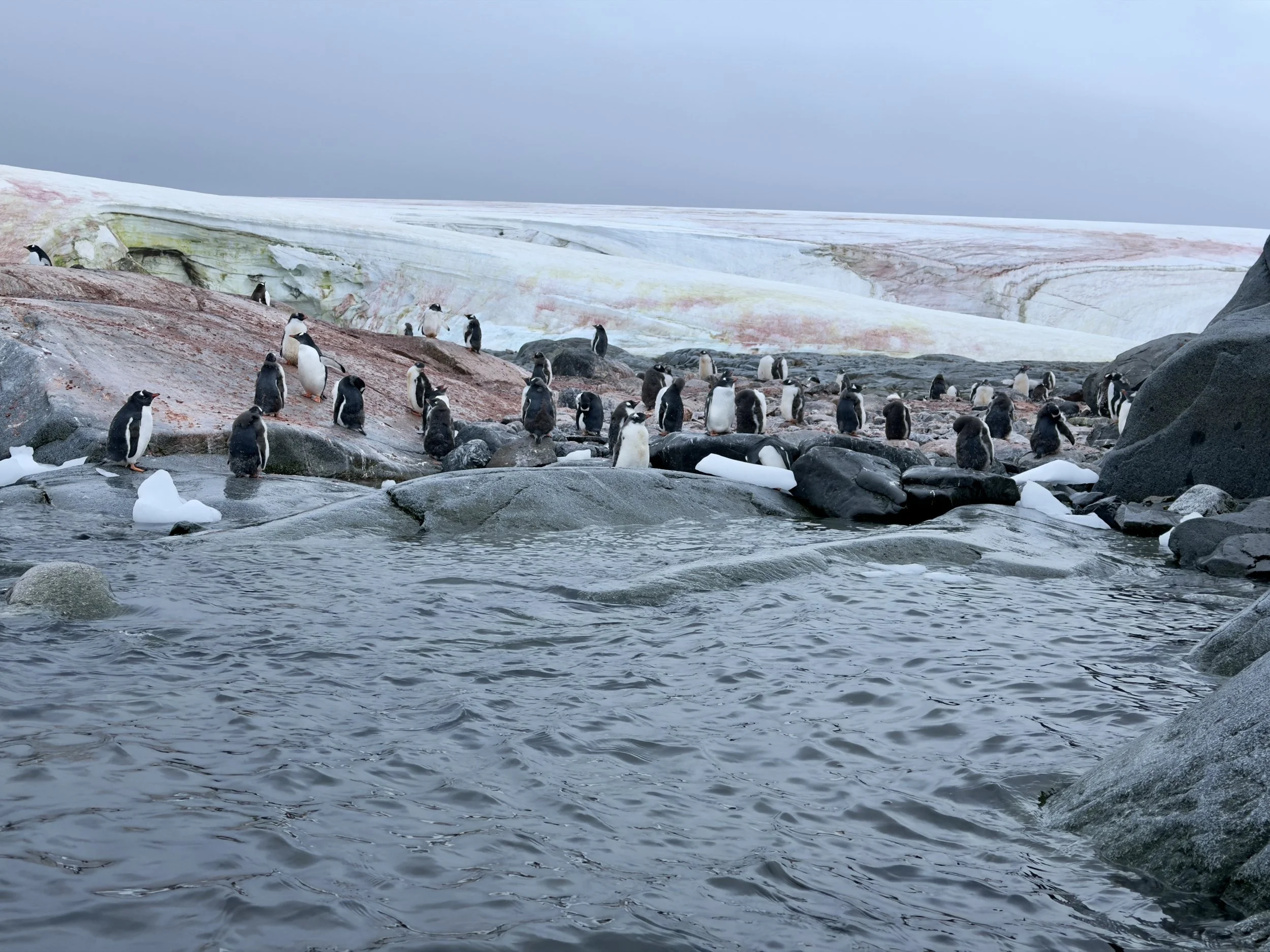
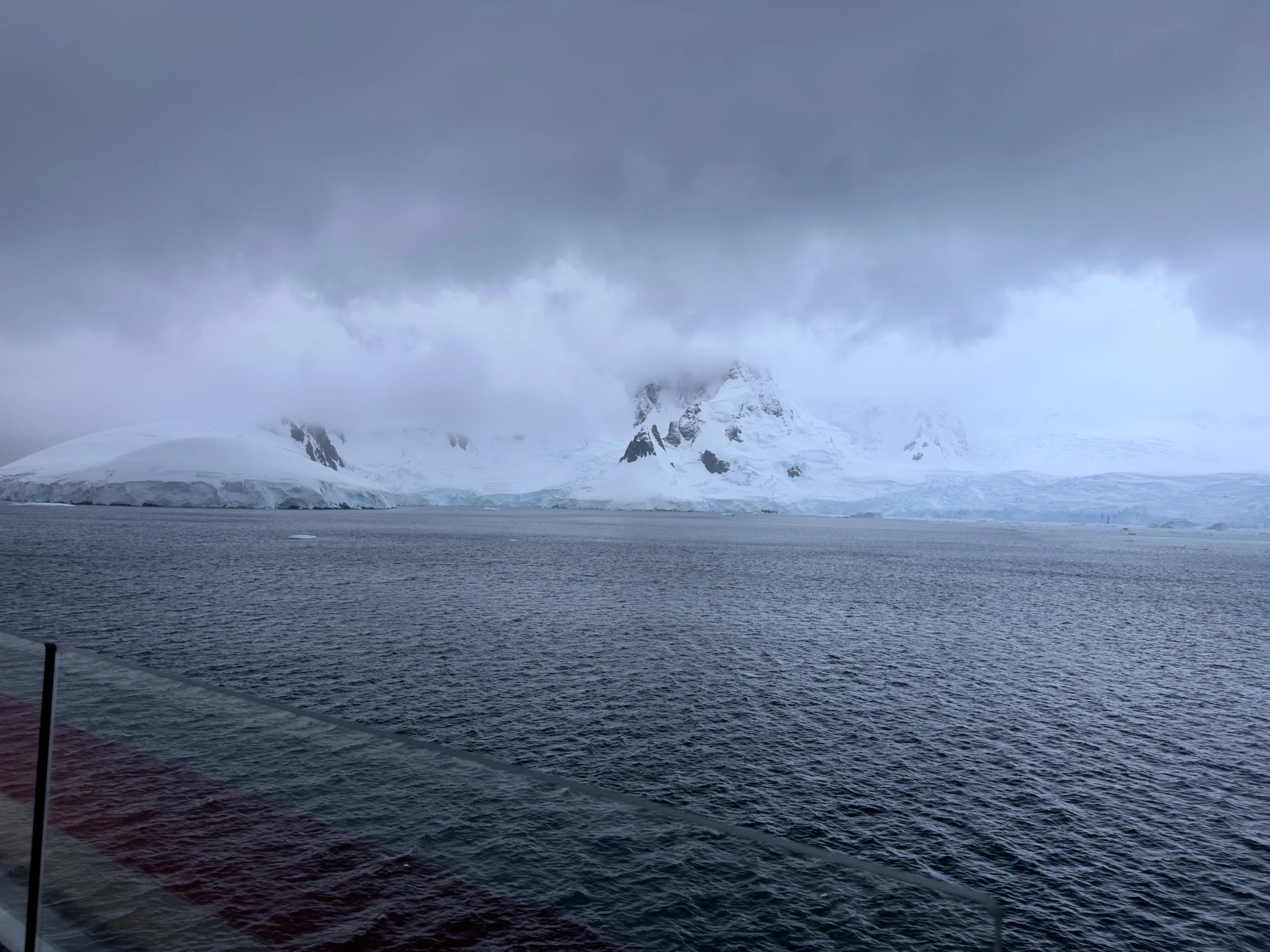
Later that afternoon came our first landing on the Antarctic continent at Pléneau Island.
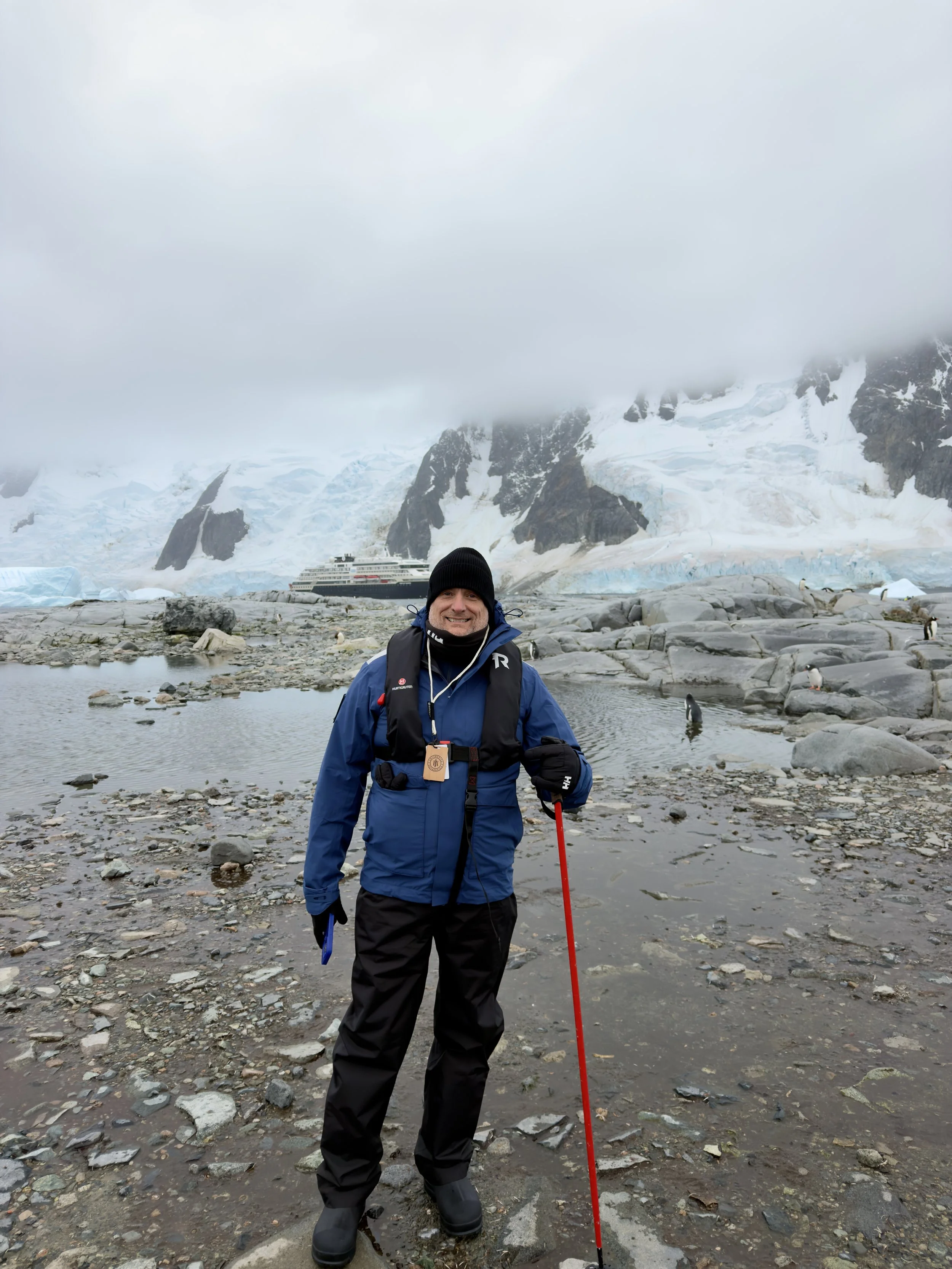
Standing ashore for the first time was surprisingly emotional. Antarctica had existed in my imagination for years, and now I was actually there.
Icebergs of every imaginable shape drifted offshore, resembling sculptures created by nature itself. Some towered overhead like frozen skyscrapers while others displayed intricate patterns carved by wind, waves, and time.
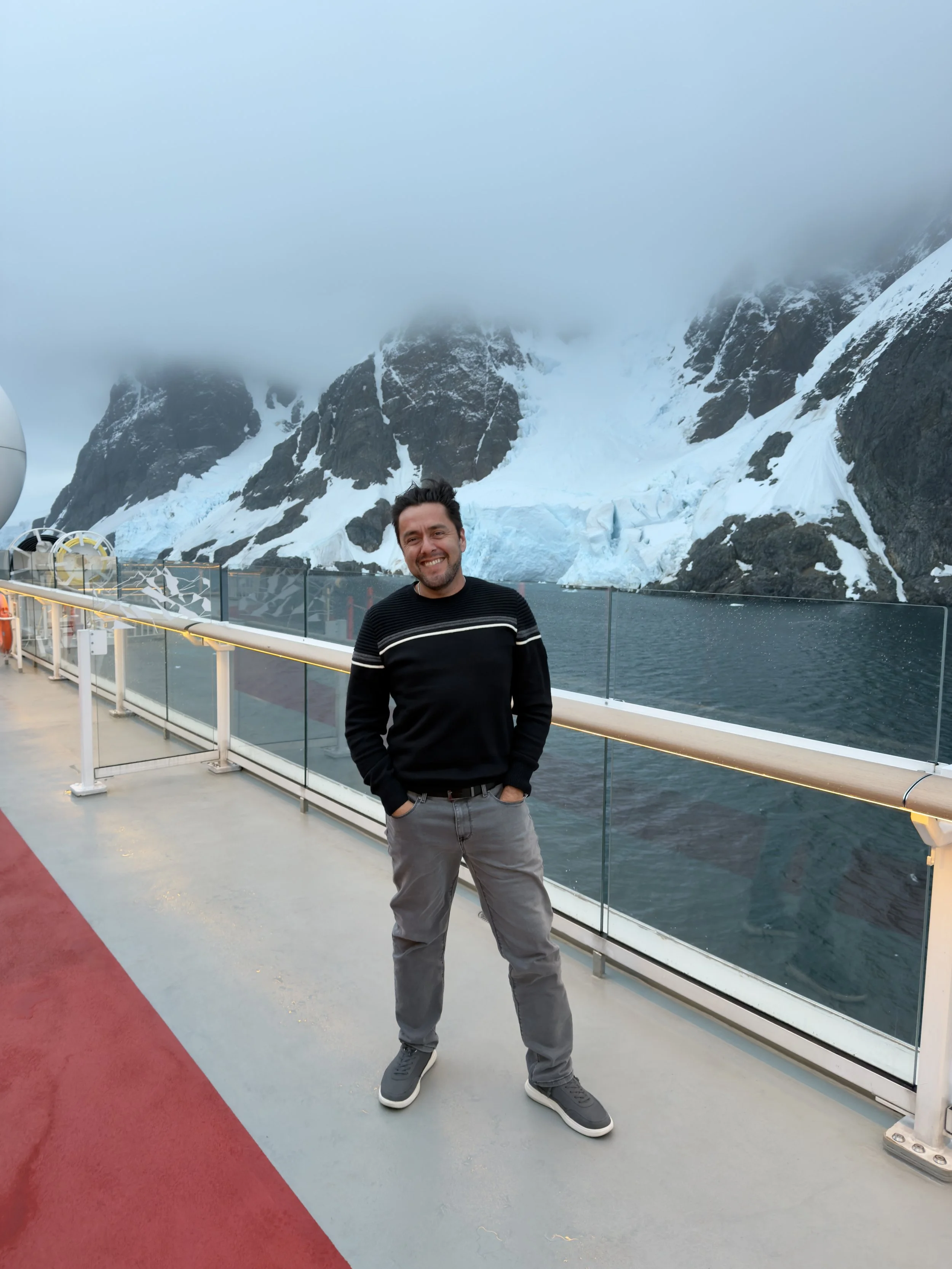
Following our landing, the ship entered what many consider Antarctica's most scenic waterway: the Lemaire Channel.
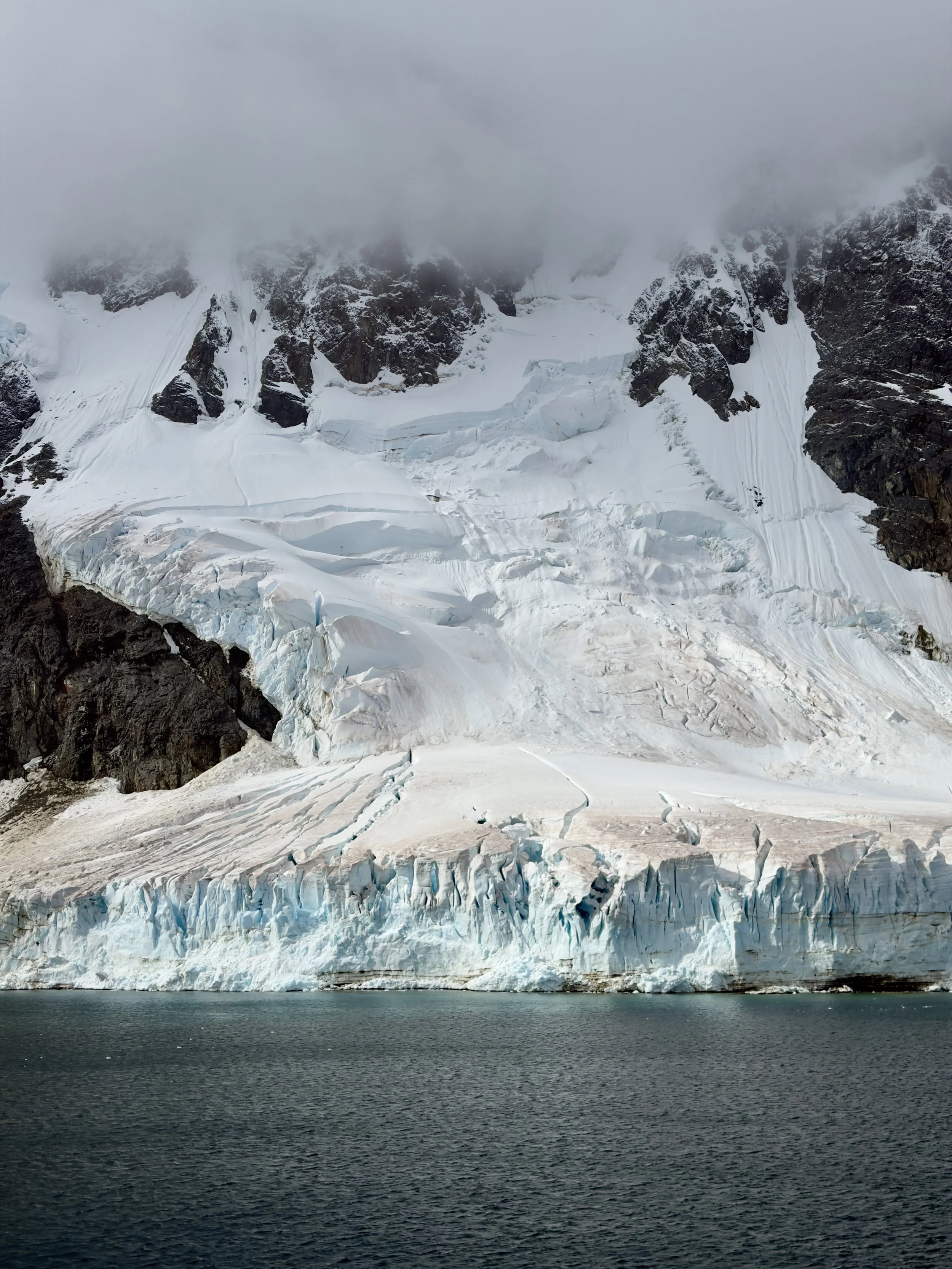
Nicknamed "Kodak Gap," the narrow channel is flanked by towering mountains and glaciers. It is one of those places where photographs struggle to convey scale. The landscape simply feels immense.
Kayaking Among Icebergs
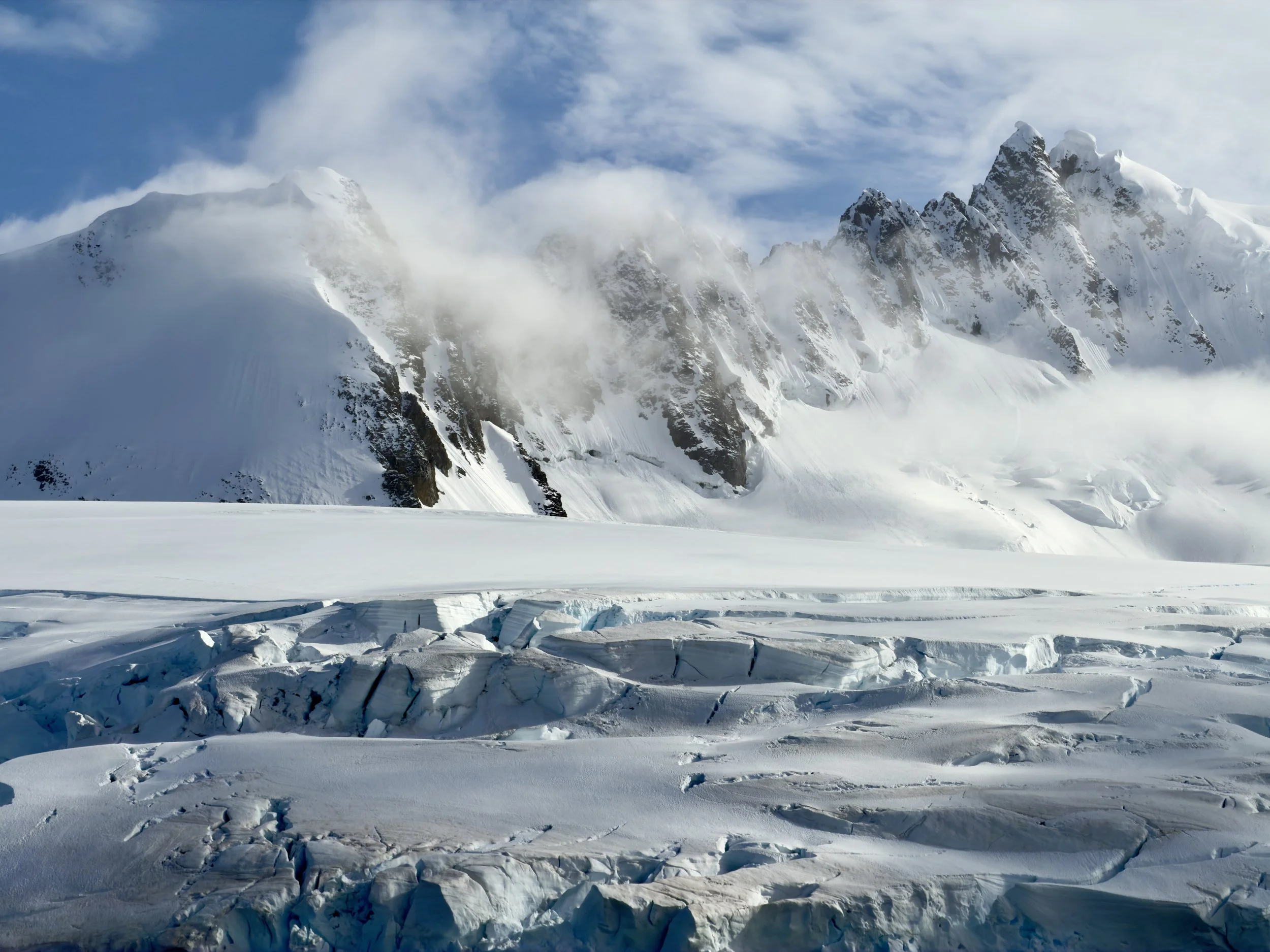
By the third day, Antarctica had blessed us with something expedition travelers always appreciate: sunshine.
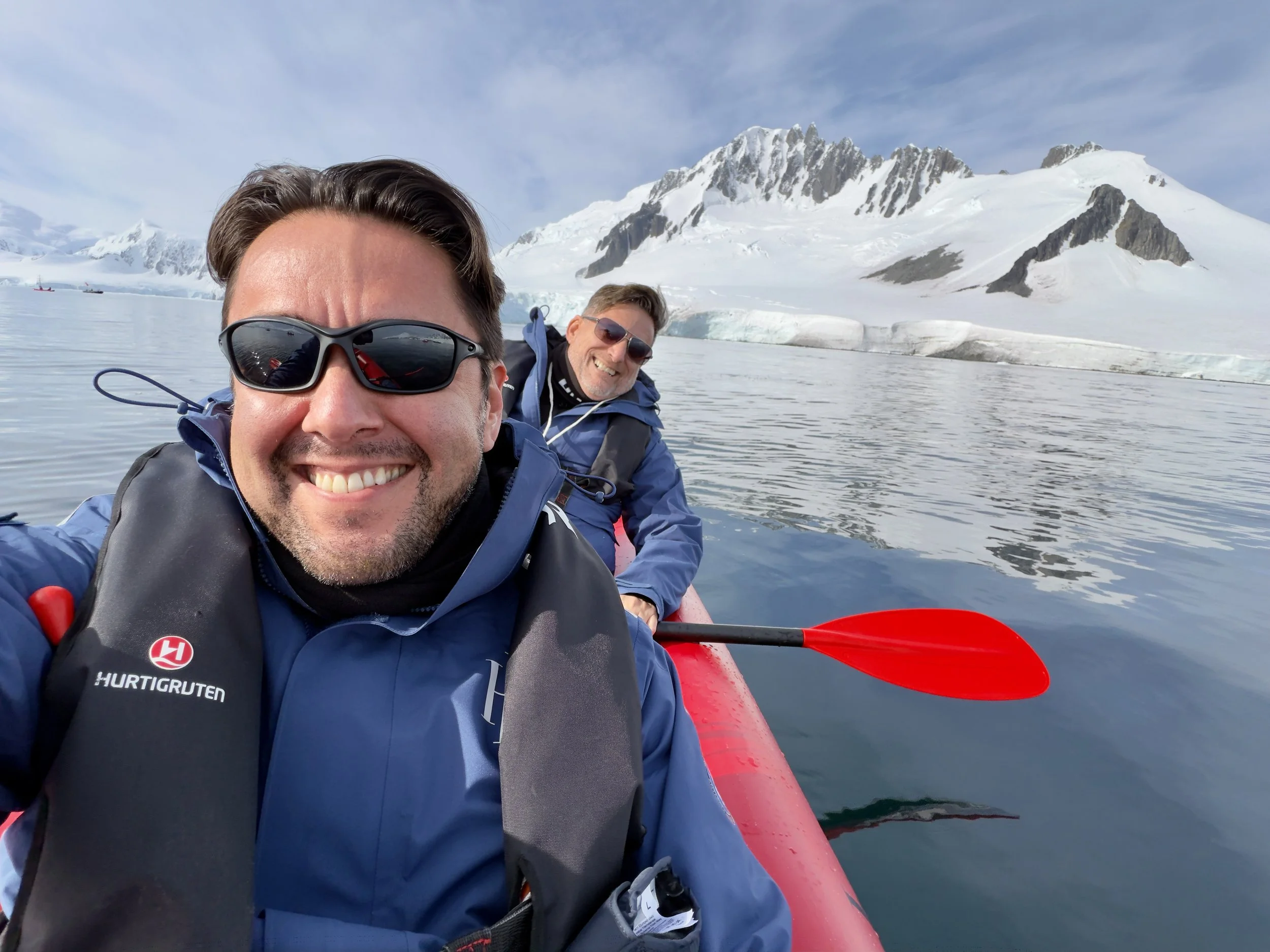
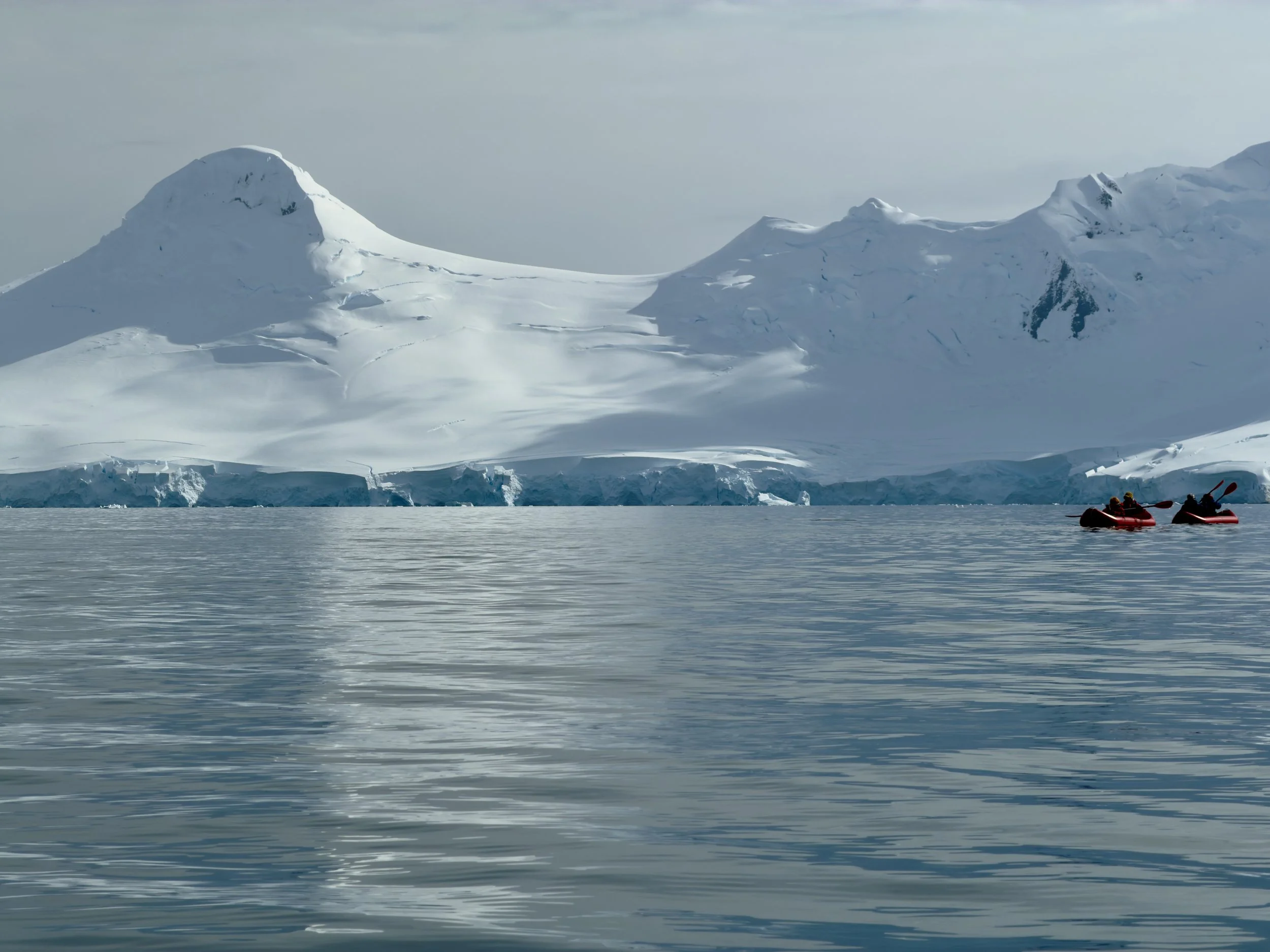
Later that morning, we participated in one of the experiences I had been anticipating most: kayaking in Antarctica.
Paddling quietly through polar waters offered a completely different perspective than viewing the scenery from a ship or zodiac. Every stroke carried us deeper into an environment defined by silence, solitude, and extraordinary beauty.
The only sounds were the gentle splash of paddles, distant wildlife, and the occasional crack of shifting ice.
For a brief moment, it felt as though we had the entire continent to ourselves.
Danco Island and Paradise Harbour
Each morning brought a new destination, new wildlife encounters, and new opportunities to explore.
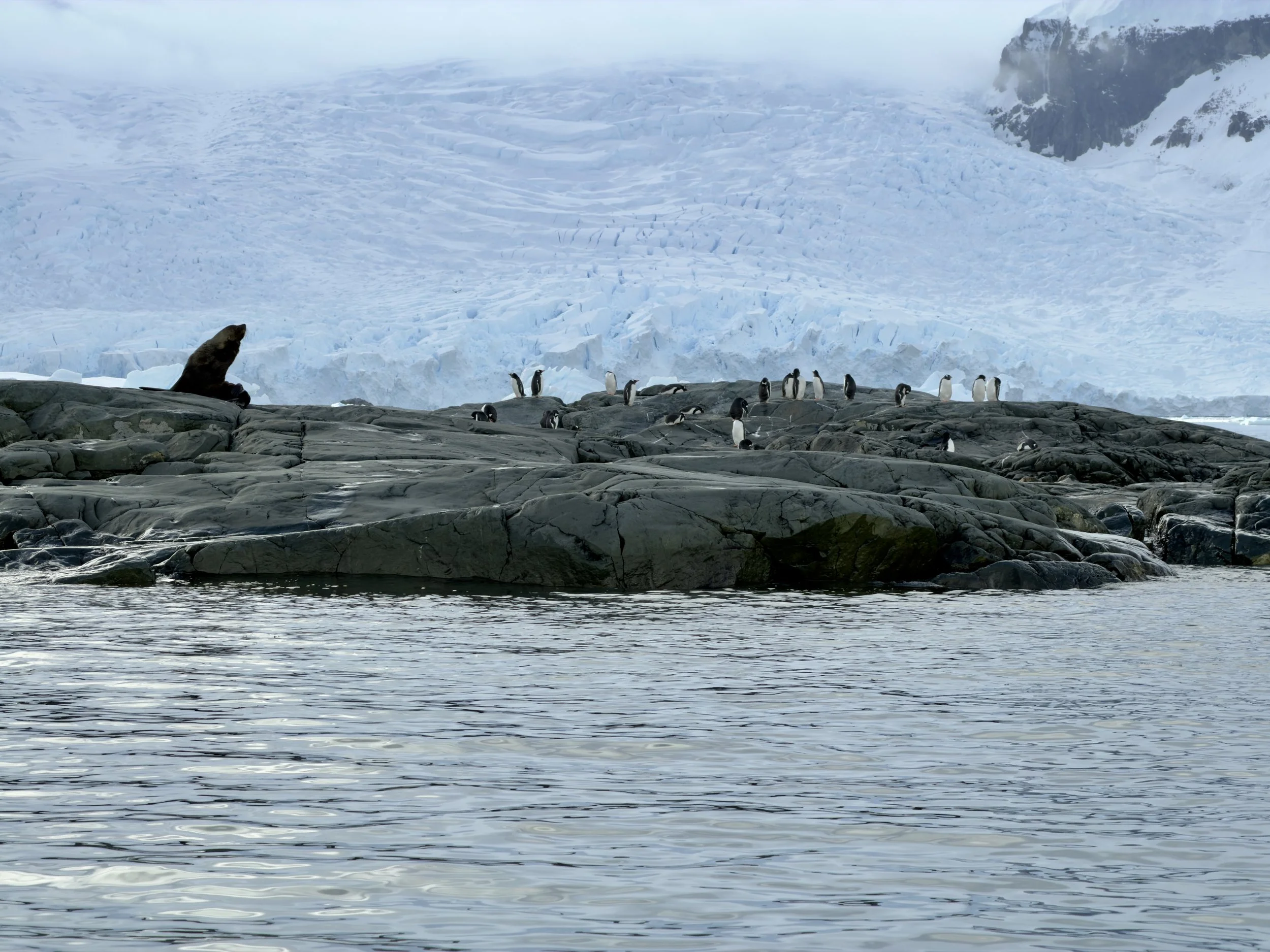
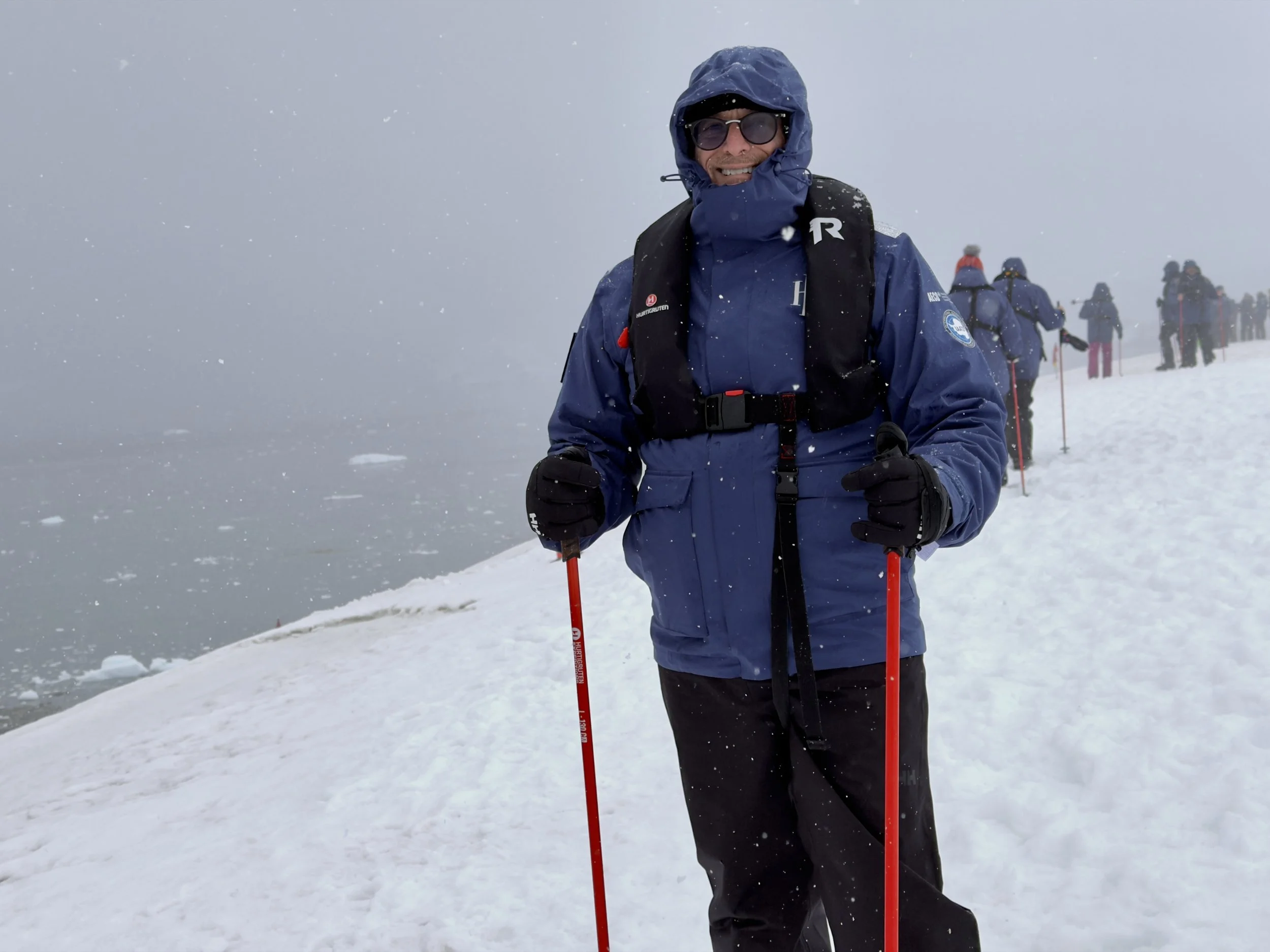
Our landing at Danco Island offered another unforgettable opportunity to observe Gentoo penguins in their natural environment. Conditions underfoot had become increasingly icy, making trekking poles particularly useful as we navigated the terrain.
Later that afternoon, the ship sailed toward Paradise Harbour.
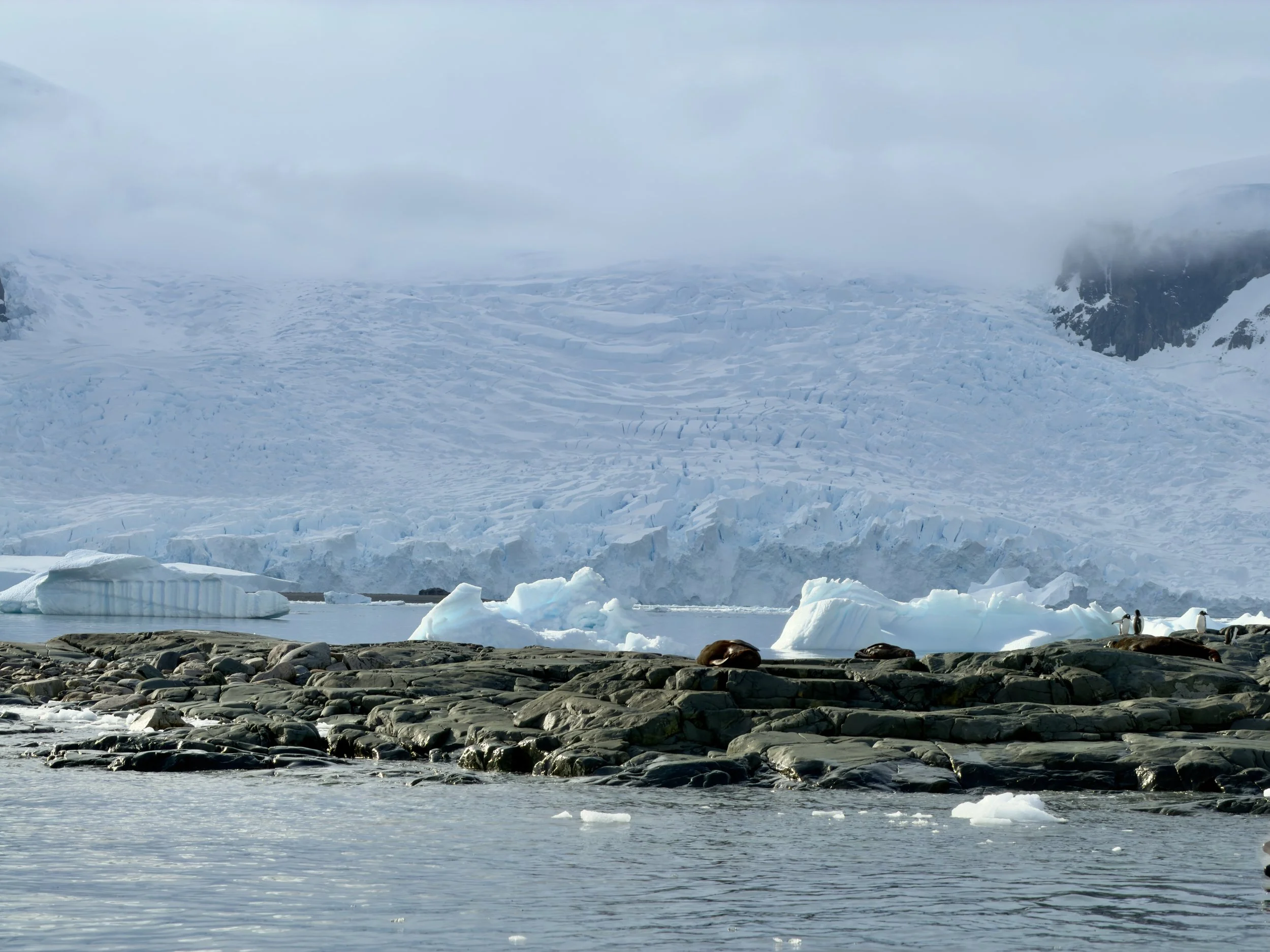
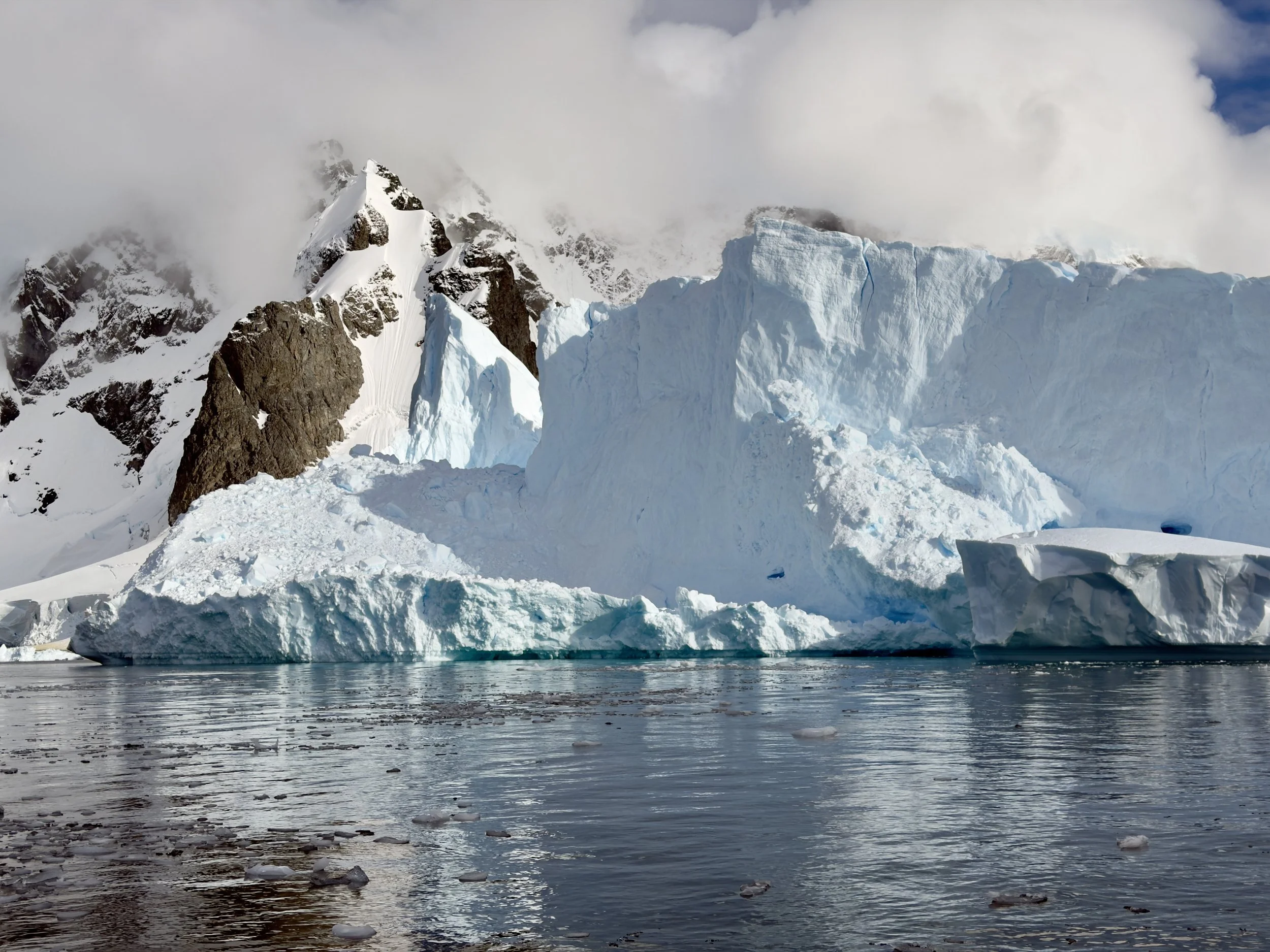
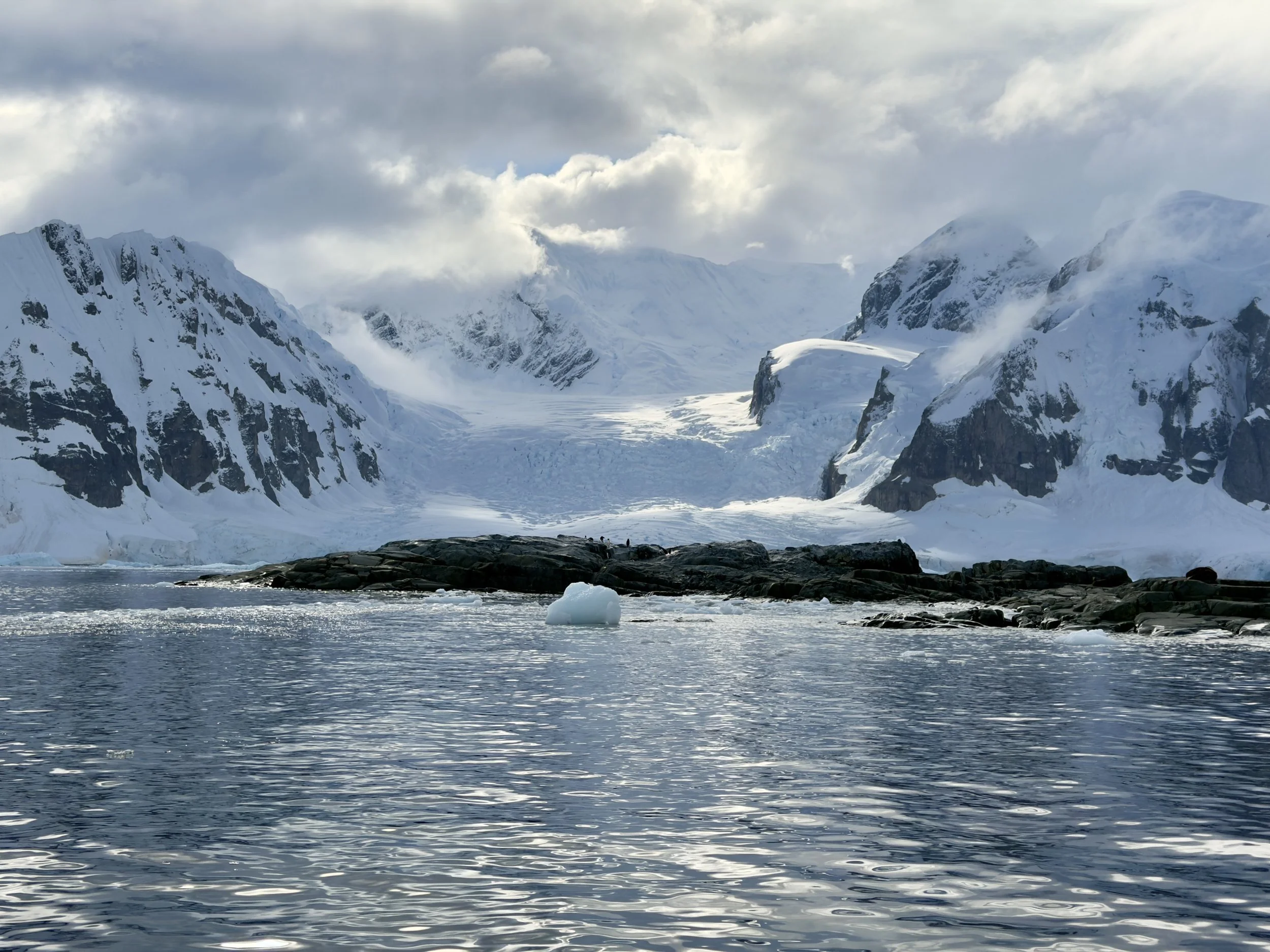
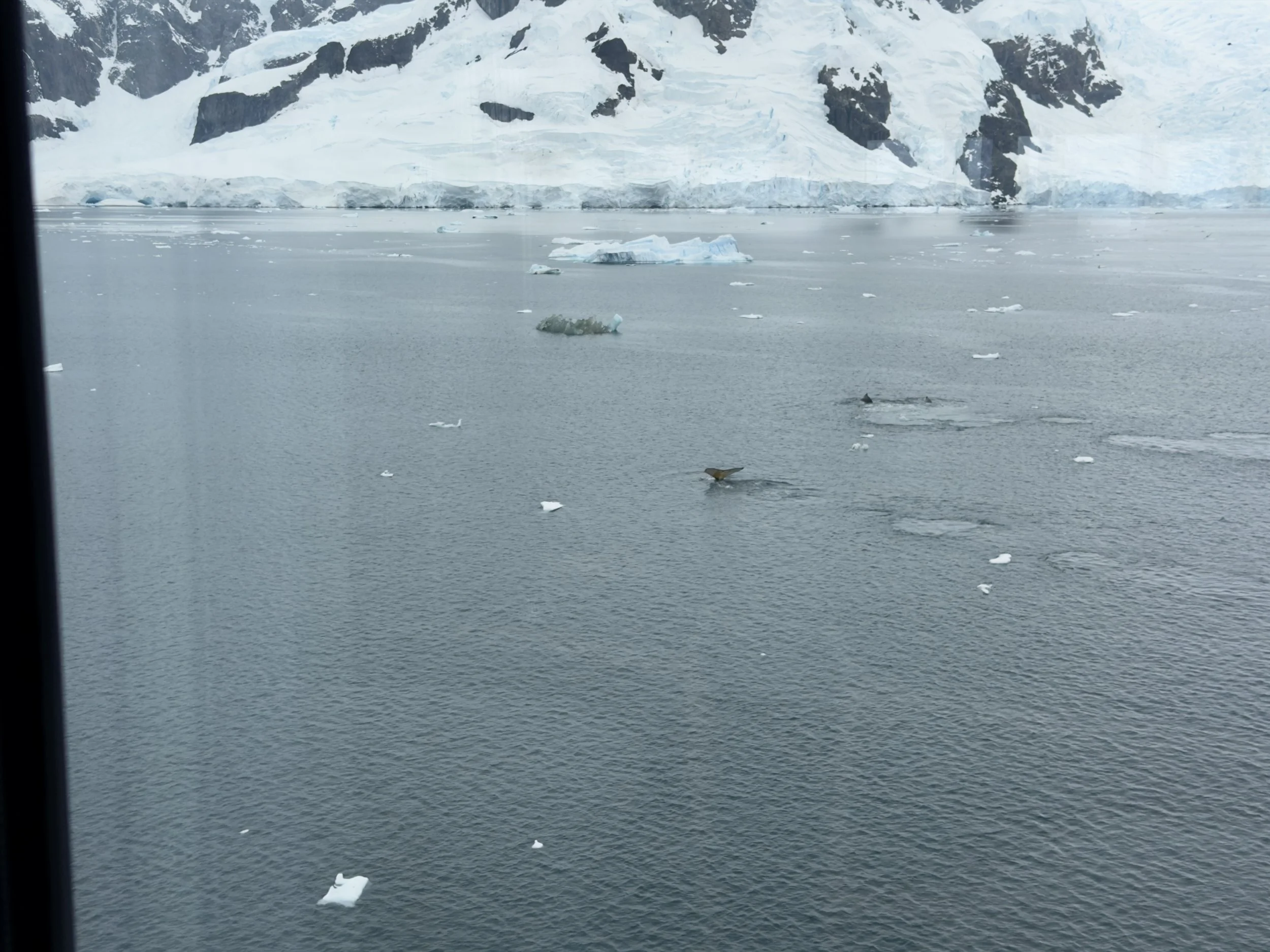
The name could not have been more appropriate.
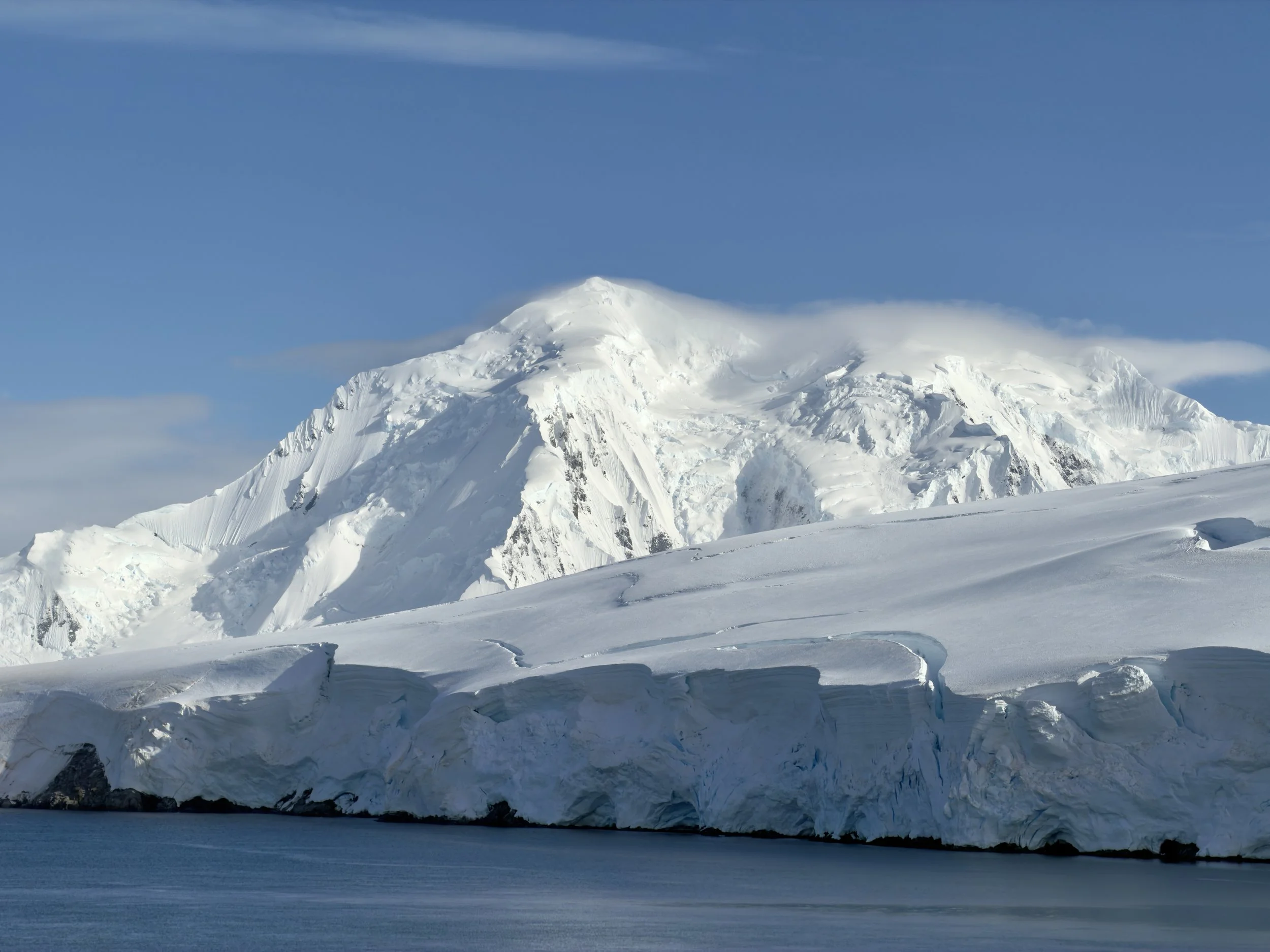
Towering cliffs and glaciers framed calm waters while low clouds drifted across the mountaintops. Then, as if the day needed one final highlight, a small pod of orcas appeared near the ship.
Watching whales glide through Antarctic waters felt almost unreal.
Portal Point: A Perfect Farewell
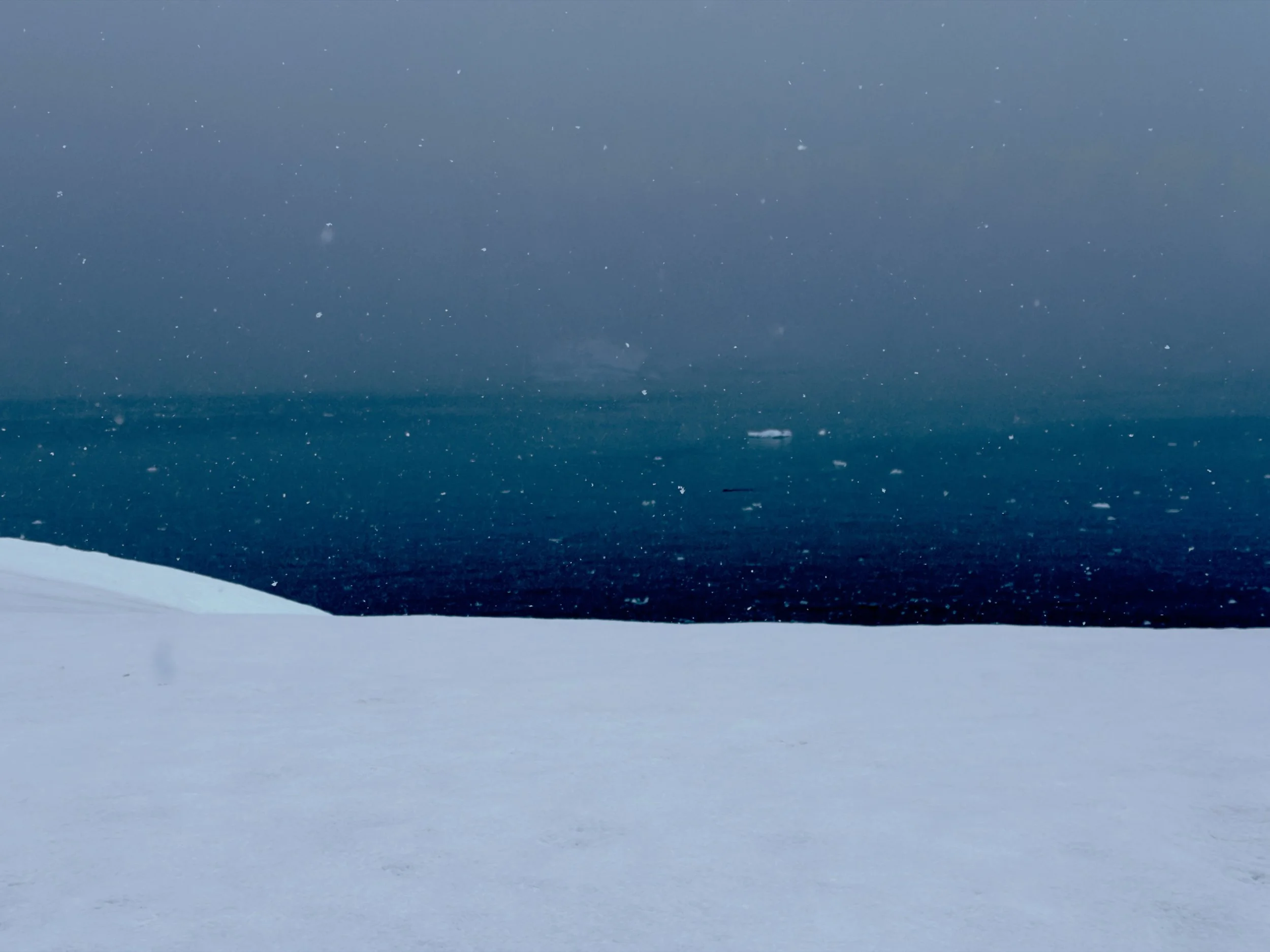
Our final day on the continent brought fresh snowfall and one last opportunity to experience Antarctica ashore.
Portal Point greeted us with pristine white landscapes that seemed untouched by human presence. Snowflakes drifted gently through the air while ice-covered peaks disappeared into low clouds.
It was Antarctica at its most atmospheric.
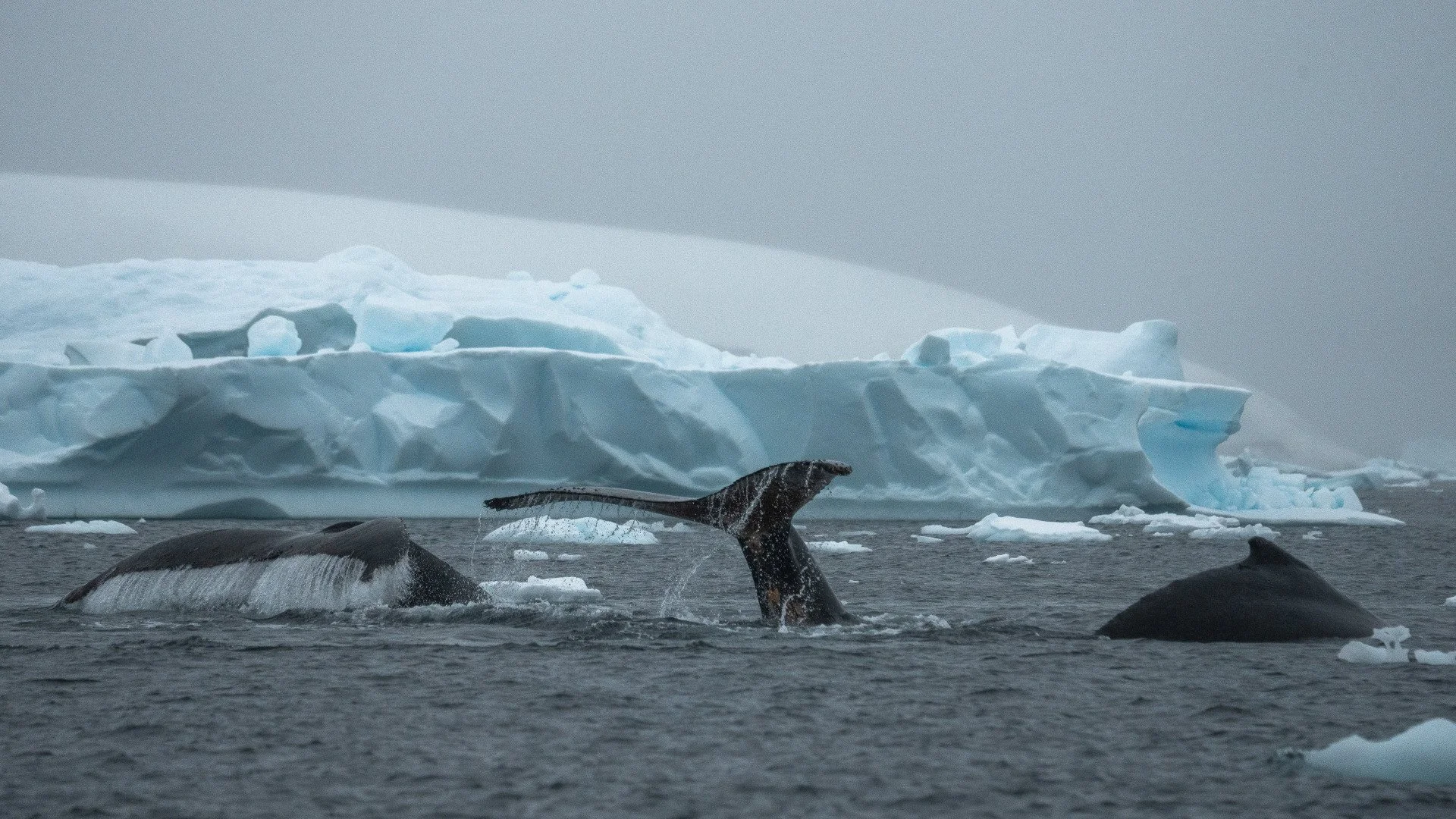
Our farewell zodiac cruise that afternoon provided the perfect ending. Whales surfaced throughout the bay, Chinstrap penguins moved across distant ice, and seals lounged peacefully nearby.
Standing there surrounded by wildlife, glaciers, mountains, and sea, I couldn't help but wonder if Antarctica was giving us a proper sendoff.
That evening, guests and crew gathered to celebrate the conclusion of our Antarctic adventure. People from dozens of countries came together to share stories, photographs, and memories from the previous week.
One of the things I loved most about expedition cruising was the sense of community it created. Regardless of nationality, language, or background, everyone onboard shared a common appreciation for exploration and the natural world.
Returning Across the Drake
As remarkable as Antarctica was, there eventually comes a moment when every expedition must begin the journey home.
The Drake Passage was a little less forgiving on our northbound crossing, reminding us why it has earned such a formidable reputation among sailors and explorers. Yet after several days of exploration, the time at sea provided an opportunity to rest, reflect, and process everything we had experienced.
On our second evening crossing the Drake, the clouds parted just long enough to reveal a spectacular sunset. As Tierra del Fuego slowly emerged on the horizon, I couldn't help but think about the explorers who had made this same crossing more than a century ago.
While our journey was undoubtedly far more comfortable, the sense of accomplishment felt very real.
Final Reflections
People often ask me what Antarctica was like.
The truth is, I still struggle to answer that question.
I can tell them about the whales that surfaced beside our zodiac, the penguins that waddled across the snow, or the towering icebergs that seemed to glow from within.
But none of those things fully capture what Antarctica feels like.
There is something profoundly humbling about standing in a place that remains largely unchanged by human hands. In a world where so much has been explored, developed, and documented, Antarctica still feels wild. It reminds us that there are places on Earth that are bigger than ourselves, places that inspire curiosity, wonder, and respect.
Before this journey, I imagined Antarctica as a destination I would visit once and then check off my bucket list.
Instead, it had the opposite effect.
The more I saw, the more I wanted to learn. The more I experienced, the more I realized how much remained unexplored. Rather than satisfying my curiosity, Antarctica deepened it.
Perhaps that's the true magic of the Great White Continent. It isn't simply a place you visit—it becomes a place that stays with you.
And while my expedition may have ended as we crossed back over the Drake Passage, a part of me is still there, somewhere among the glaciers, icebergs, and endless Antarctic summer.
I arrived believing this would be the trip of a lifetime.
I left hoping it wouldn't be my last.
Planning Your Own Antarctic Journey
Traveling to Antarctica is not easy, and that's part of what makes the experience so rewarding.
For most travelers, the journey begins in either Ushuaia, Argentina, or Puerto Williams, Chile, before crossing the legendary Drake Passage en route to the Antarctic Peninsula. While several fly-and-cruise options now exist, many travelers still choose to make the full sea voyage, experiencing Antarctica much as explorers did generations ago.
Whichever option you choose, the reward is the same: access to one of the most extraordinary destinations on Earth.
If Antarctica has found its way onto your travel wish list, my advice is simple—go.
The wildlife, the landscapes, and the adventure will exceed expectations. More importantly, Antarctica has a way of changing how you see the world long after you've returned home.
If considering an expedition of your own, I'd be happy to share my experiences and help you find the voyage that best matches your interests, travel style, and sense of adventure. Click below to submit a request for more information.