
Thinking of Flying In the Day of Your Cruise? An Insider's Perspective
Steven Alcala | July 13, 2026
Every cruise traveler has heard the advice: arrive a day early. Yet every year, thousands of passengers fly in on embarkation day without issue. Most of the time, it works.
The challenge is that air travel doesn't operate on guarantees. Having spent years working within the travel industry, I've seen firsthand how a perfectly planned travel day can unravel due to circumstances no passenger could have predicted.
My goal isn't to discourage anyone from flying in on the day of their cruise. Rather, I want travelers to understand some of the risks involved so they can make informed decisions that fit their travel style, budget, and comfort level.
Here are a few things worth considering before booking that same-day flight.
The Aircraft Doesn't "Wake Up Sick"—Until It Does
Imagine arriving at the airport for a 6:00 a.m. departure. The weather is beautiful. The aircraft is parked at the gate. The crew has arrived. Everything appears set for an on-time departure.
Then comes the announcement no traveler wants to hear:
"Ladies and gentlemen, your flight has been delayed due to a maintenance issue."
How does that happen when everything looked fine just moments ago?
Before every flight, crews conduct thorough inspections to ensure the aircraft is safe and ready for departure. Just because everything appeared normal on the inbound flight doesn't mean an issue can't be discovered later.
Think of it like finding a nail in your car tire. The tire looked perfectly fine when you parked the car the night before, but the next morning it's flat. Aircraft are incredibly sophisticated machines with thousands of interconnected systems and components. Occasionally, something requires additional attention before the flight can depart.
Sometimes the fix is quick. Sometimes it takes longer than anyone would like.
The question isn't whether maintenance delays happen—they do. The question is whether your travel plans have enough flexibility to absorb one.
Staffing and Crew Delays
Another factor travelers rarely consider is crew positioning.
For many early morning flights, especially from smaller airports, crews may have arrived the night before from another city. Most of the time everything works exactly as planned.
Occasionally, however, weather or operational delays the previous evening can affect the crew's arrival time. Depending on the circumstances, that can lead to a delayed departure the next morning.
If you're flying nonstop, a short delay may be little more than an inconvenience. If you're connecting through another city, however, even a modest delay can quickly create stress as connection times shrink.
Weather Isn't Just Local
When travelers check the forecast, they often focus on the weather at their departure airport and destination.
The reality is much more complicated.
Aviation operates as a network, and weather anywhere along that network can affect your flight.
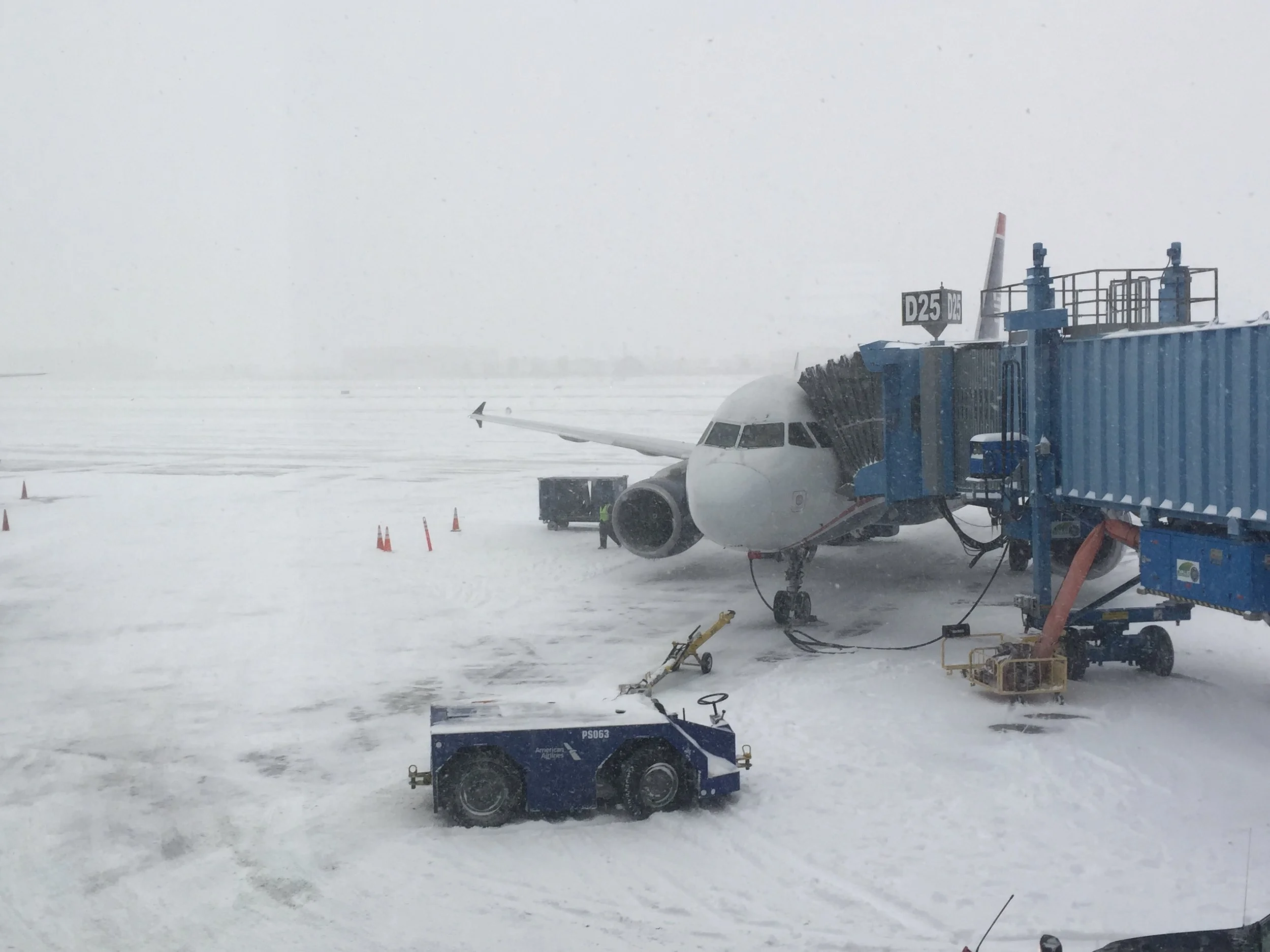
In northern cities during the winter, aircraft may need to be deiced before departure. While airlines plan for this, winter weather can still create delays.
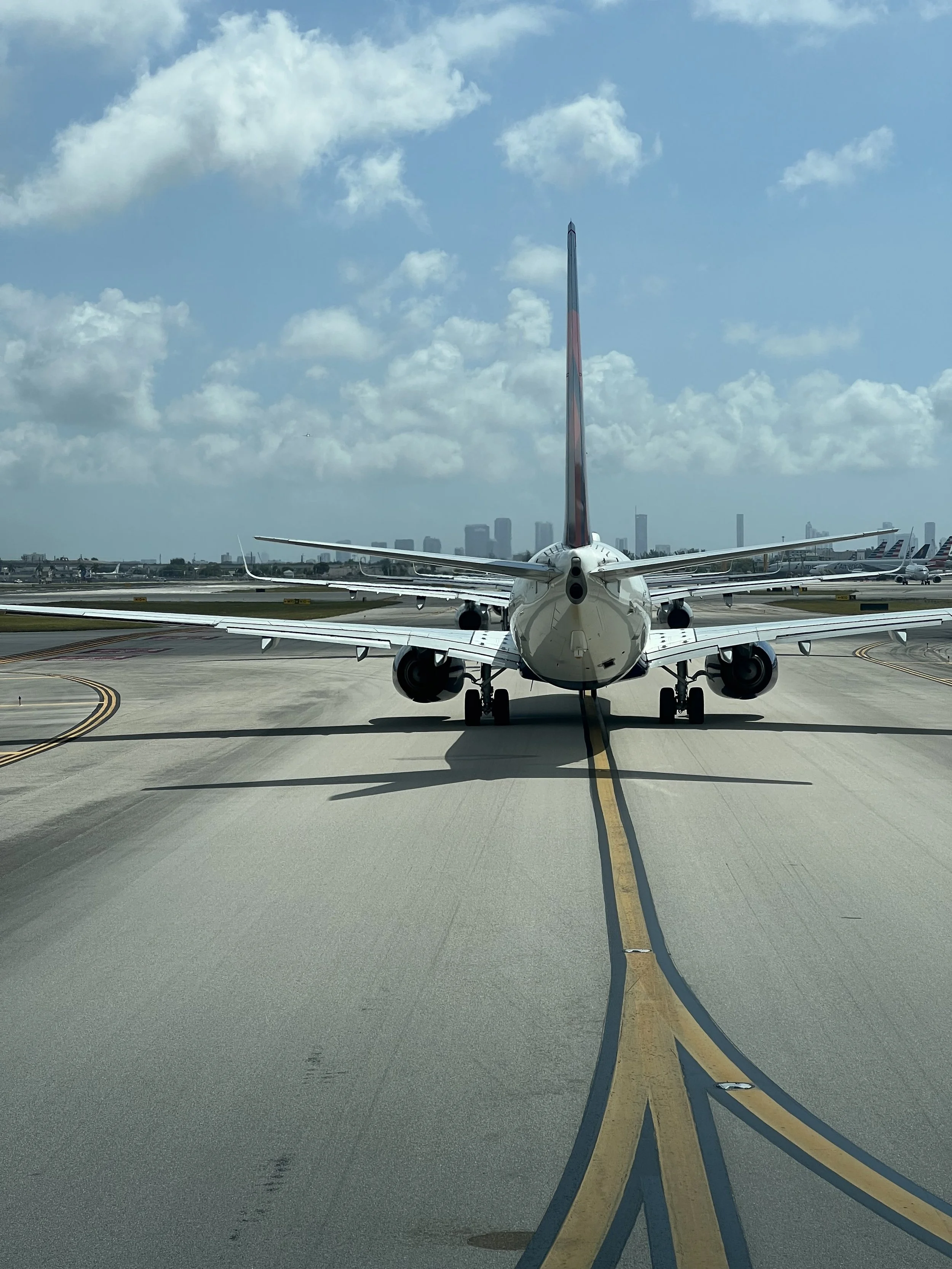
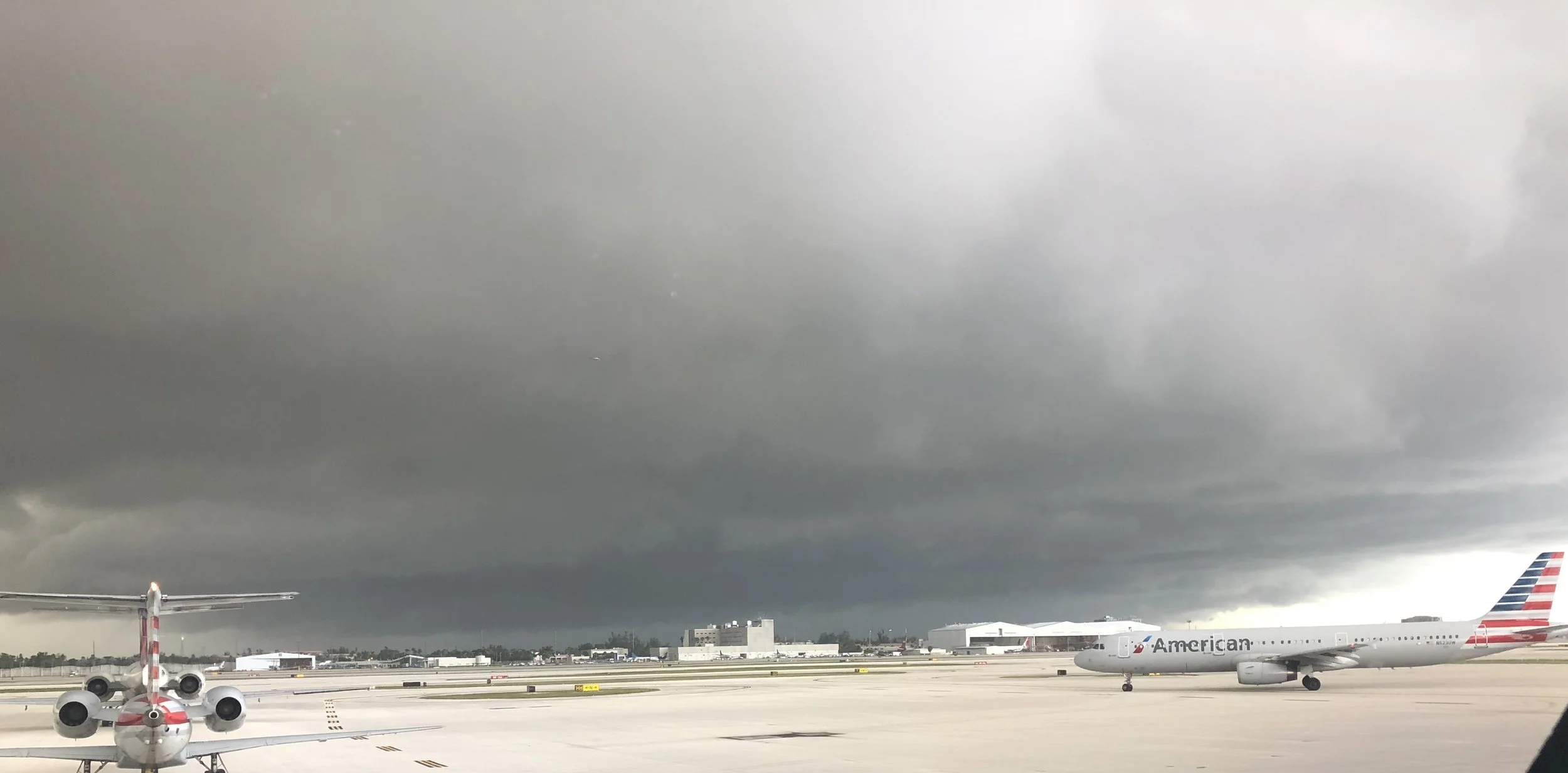
Thunderstorms can create challenges as well. Air traffic control may slow the flow of aircraft through congested airspace, much like reducing a three-lane highway to one lane. The result is a traffic backup in the sky, often requiring flights to depart later than scheduled.
I once operated a flight where everything was going exactly according to plan. The aircraft departed on time, the weather was excellent, and there were no maintenance concerns.
Then, while en route, we were instructed to enter a holding pattern due to temporary airspace restrictions associated with presidential travel. We had planned for the possibility and carried additional fuel, but we still arrived about 20 minutes later than scheduled.
For passengers traveling nonstop, a delay like that may be little more than an inconvenience. For someone trying to make a tight connection—or a cruise departure—it can suddenly become much more significant.
The lesson is that not every delay is caused by weather or maintenance. Sometimes events completely outside the airline's control can affect even the most routine flight.
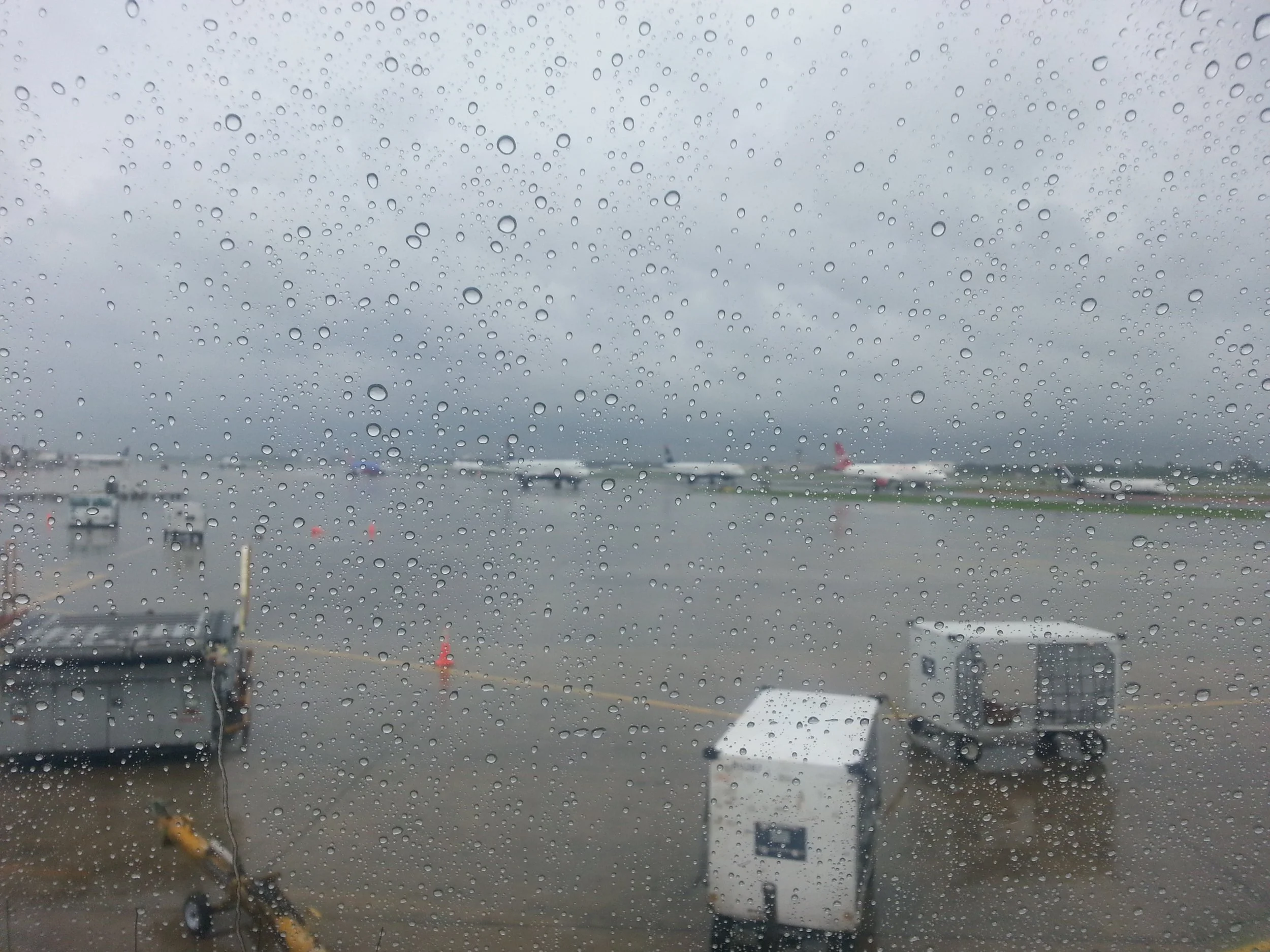
Weather at your destination can have a similar impact. Reduced visibility, heavy rain, strong winds, or thunderstorms may result in departure delays, airborne holding, or extended waits for an available gate after landing.
And remember: if lightning is present, many airport ramp operations must temporarily stop until conditions improve.
Your Flight Arrived—But Did Your Luggage?
Let's say you successfully navigated a maintenance delay, a weather delay, and arrived in Miami at 12:30 p.m. for your cruise's 3:30 p.m. all-aboard time.
You're feeling relieved.
Then you head to baggage claim and your suitcase never appears.
While most checked bags arrive exactly where they're supposed to, baggage issues do happen. Tight connections, last-minute gate checks, and misrouted luggage can all create complications.
An extra day before your cruise provides valuable time to locate delayed luggage, coordinate delivery, or replace essential items if necessary.
When you're racing to make embarkation, that flexibility largely disappears.
When You Do Need to Fly In the Same Day
Despite the risks, there are situations where flying in on embarkation day makes sense. Work schedules, family obligations, limited flight options, and budget considerations are all valid reasons.
If you choose this approach, there are several ways to reduce your risk.
Consider Travel Insurance
Travel insurance can be one of the most valuable tools in your travel planning toolkit.
Depending on the policy, coverage may help with unexpected transportation costs, hotel stays, baggage delays, meal expenses, and even missed cruise departures.
Not all policies are the same, so be sure to understand what is and isn't covered before purchasing.
Fly Early and Fly Nonstop
If there's one recommendation I consistently make, it's this: take the earliest nonstop flight available.
Many delays are manageable if you have time on your side. That cushion shrinks considerably when you're connecting through another airport or taking a later departure.
Every connection introduces another opportunity for something to go wrong.
Consider Airfare Through the Cruise Line
Many cruise lines continue to offer air programs that allow guests to purchase flights through the cruise line.
These programs often come with additional support if travel disruptions occur. In some cases, the cruise line may assist with arrangements to help you catch up with the ship at a later port.
Just be sure to read the details carefully. Coverage and accommodations vary significantly between cruise lines and airfare programs.
Have a Backup Plan
Perhaps the most important recommendation is to have a backup plan before you need one.
Know what alternate flights are available. Familiarize yourself with nearby airports. Review your airline's app and understand your rerouting options.
If significant disruptions occur, remember that airline employees are helping every affected traveler—not just you. Being prepared and self-reliant can make a stressful situation much easier to navigate.
Final Thoughts
Most travelers who fly in on embarkation day make it to their ship without issue. But travel planning isn't about preparing for what usually happens. It's about preparing for what occasionally happens.
Arriving a day early won't eliminate every travel problem, but it does provide something every traveler values: options.
Personally, I almost always arrive a day early for domestic travel and often several days early for international trips. That doesn't mean it's the right choice for everyone. We all travel differently, and every trip comes with its own priorities and constraints.
Whatever you decide, stay informed, understand the risks, and always have a Plan B—and perhaps even a Plan C and D—ready to go.
When it comes to embarkation day, a little preparation can go a long way.